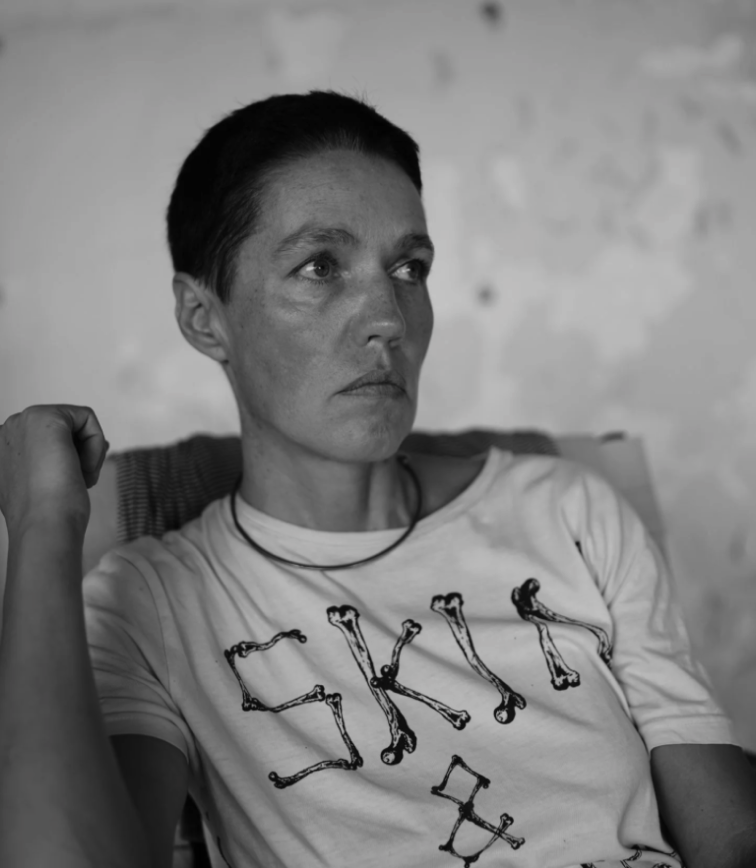
Влада Ралко — українська художниця, кураторка та авторка. Її мистецькі практики охоплюють живопис, графіку, об’єкти та перформанс. Народилася в Києві у 1969 році. У 1987-му закінчила Республіканську художню середню школу ім. Т. Г. Шевченка, а у 1994-му — Національну академію образотворчого мистецтва та архітектури, де навчалася в майстерні професора Віктора Шаталіна.
Студентські роки Ралко припали на період зламу радянської тоталітарної системи, коли академічне середовище, ще закуте в рамки совєцького режиму, перебувало в інертному стані. На факультеті живопису основою викладання залишався соцреалістичний метод, та попри це, художниця опановувала різні техніки працюючи в майстернях академії у вільний час.
Її дипломна робота — серія живописних робіт, натхненна італійськими художниками-метафізиками Джорджо де Кіріко та Джорджо Моранді — була представлена не в стінах академії, як це було прийнято, а вже на першій персональній виставці випускниці.
Центральною темою творчості Влади Ралко є людина та спосіб її існування в межах системи. Що означає бути людиною? Що саме відрізняє людину від решти живого світу? Вона прагне оприявнити справжню людську сутність, звільнену від нашарувань «очевидних» істин і кліше. Через уважне вдивляння у буденне вона деконструює складну багатошарову політичну реальність, виявляючи приховані владні механізми, міти, ідеології та репресивні структури.
Серійність стала одним із ключових підходів мистецької практики Ралко. Художниця сприймає її як принцип «розпорошеного погляду», якому навчилася в академічній школі малювання з натури, де вчили бачити об’єкт у цілісності, уникаючи надмірної уваги до окремих деталей. У власній практиці Ралко переосмислила цей принцип: якщо в академії він слугував для точнішої передачі натури, то в її серіях він став способом утримати в полі зору весь пласт досвіду, часу й контекстів. Тіло в її роботах –це політичний простір пам’яті, травми, вразливості й трансформації.
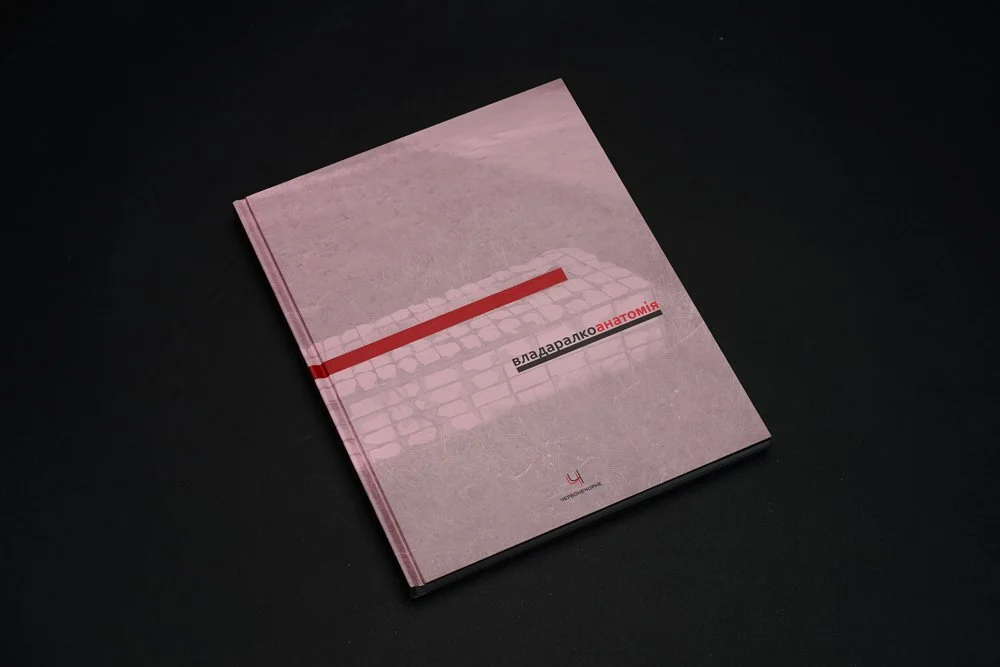
The post-Soviet reality was in fact little different and different from that of being inside the Soviet era. Back in the 90s, Vlada Ralko thought of comparing our territory with a reserve, when for the sake of survival and preservation of the species, individuals are doomed to be in an artificially adapted or designed environment. In such a seemingly protected space, a person loses something of the basic human and becomes very vulnerable and insensitive at the same time. Isn't it tempting to start the hunting season in a reserve where residents are relaxed by ostensible security? The slowing down of time was for Vlada a sign of a period that began at the end of the first year of the war — unfinished action then seemed frozen in the air. When later, instead of continuing, the speech time went in a circle, as for me, it somehow revealed its nonlinear configuration all too vividly. While working on the book, Vlada Ralko realized that all the works in it relate to her stay near the war. This can be said about ancient works. Certain things that were recorded in different years were updated by the war in a special way. It turns out, now she must have discovered her own origins in those times that seemed long gone.
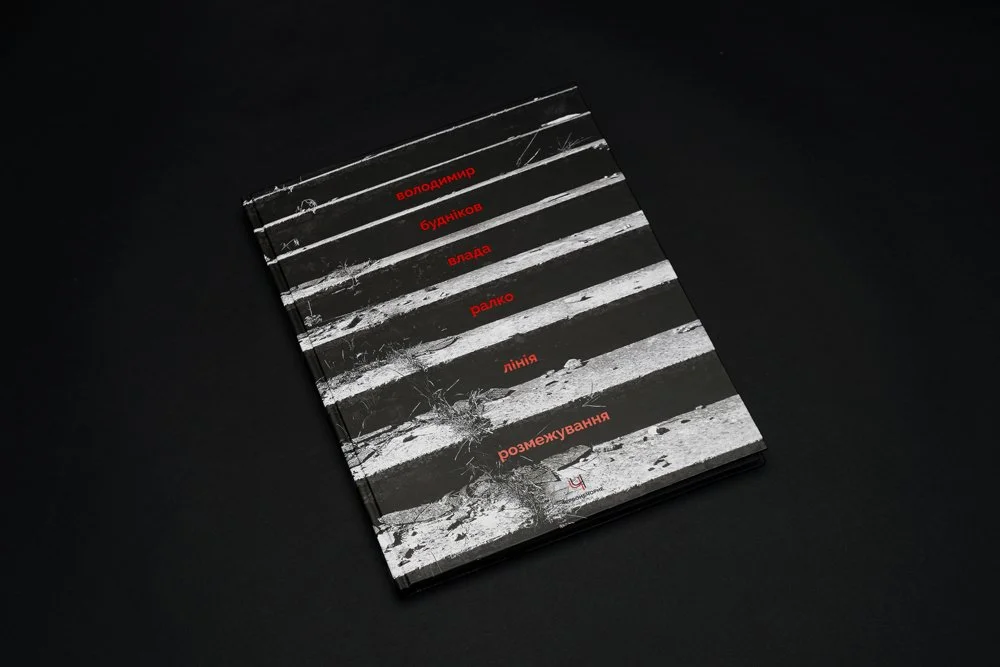
The book “Line of demarcation” is the territory of “reconciliation” of the two positions of Vlada Ralko and Vladimir Budnikov. This book is, to some extent, a scholarly work in which words are reviewed and terms are defined, taking into account important conceptual adjustments. Working on a book presenting the works on paper by Vladimir Budnikov and Vlada Ralko for a three-year period, the authors tried to avoid a clear distribution of content on the series, but made up a whole story. This book is about memory, about loss, about change, about distribution, about the important. About how the line of demarcation is able to create new meanings, emphasize the main thing, make familiar things expressive. About the intuitive vision of the artist, about love for his people. In these books, everything became an artistic object — words, things that those words describe, meanings.
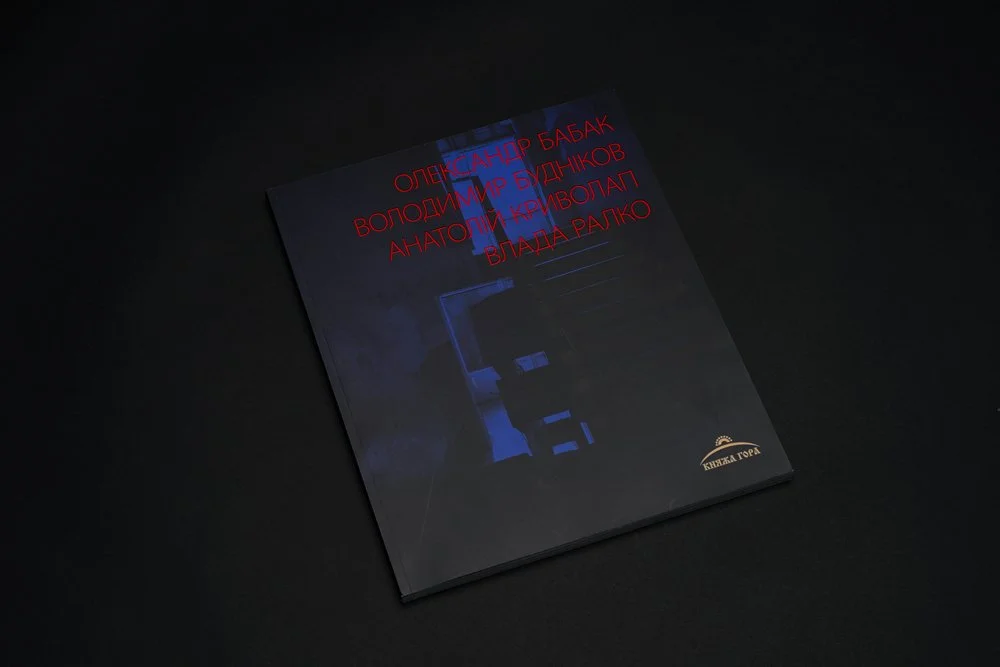
There are places where the past never disappears forever, where time refines and penetrates into space, where the landscape created by nature and generations...
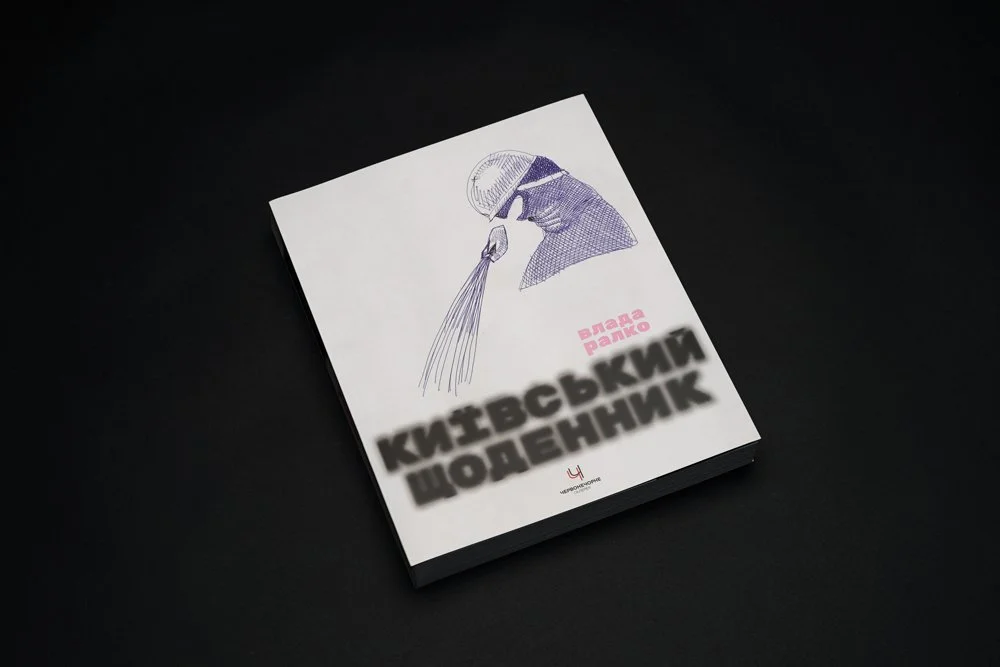
The idea to start a series of drawings, which structurally resembles diary entries, arose after Vlada Ralko saw a giant eye, namely a man in an “Oka” costume, among the evening crowd in a restless Kiev. It must have been some kind of advertising... But the first few drawings were made as soon as Vlada returned home. These drawings were the beginning of a regular “diary” recording of what was happening in Ukraine. “It's not just albums or catalogs. This is a kind of form of history textbooks, in which, in an unusual way, through texts and drawings, an artistic point of view is presented on the transformations that are taking place today with the country and society.” Unlike photography, which offers one-sided fixation of events, drawing seems to “archive” all the nuances and nuances of what is happening and then “releases” them after a certain time, “packing” and storing important things until a new communication with it.
.webp)
Against the background of dramatic and tragic events in Ukraine, the question arises of how important, even so painful
.webp)
To see salvation where it is not usually sought, namely in the wilderness (in silence), was determined by the project of Volodymyr Budnikova and Vlada Ralko called “Shelter”. When the stencil inscriptions “Shelter” began to appear on the walls of houses in Kiev, it seemed like a strange ana-chronism, something out of the Soviet-era civil defense school exercises. Such indicators of bomb shelters in case of an air attack seemed to say to us: you still have reserves of peace for a black day. It is quite symbolic that often these inscriptions were directed nowhere, because there was no shelter in the indicated direction. It is necessary again and again to bring the language to silence, as to the temporary “Shelter”.
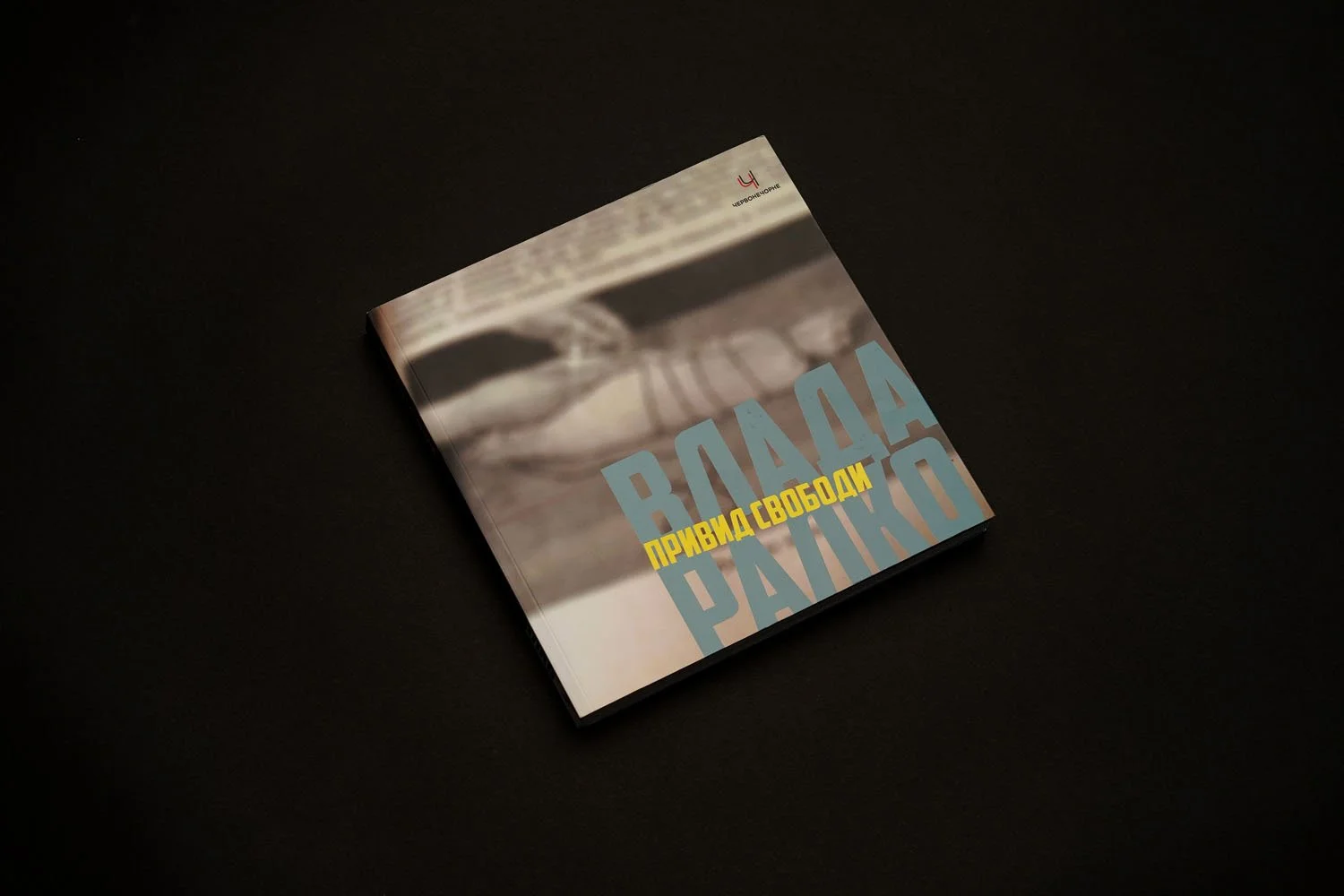
Our two new books, published by the art platform KrasneChorne, are a continuation of a certain opposition that arose during the work on the projects “Flight” and “The Ghost of Freedom”. These are not catalogs and not art albums, but rather another representation of the themes that we have tried to approach in our works. “The Ghost of Freedom” is about freedom caught in a vise between System and Custom: “The name is borrowed from Luis Buñuel, who, in turn, paraphrased Marx with his ghost waging Europe. However, for me, this expression extremely accurately characterizes the process of substitution: the recognition of certain things as their own is replaced by the desire to appropriate them. With the understanding of who owns freedom, good will, destiny, and even one's own body, and whether it is possible to possess them at all, there is a terrible confusion. So we would like to resume the dialogue about freedom once again, this time in the format of books.
.svg)