
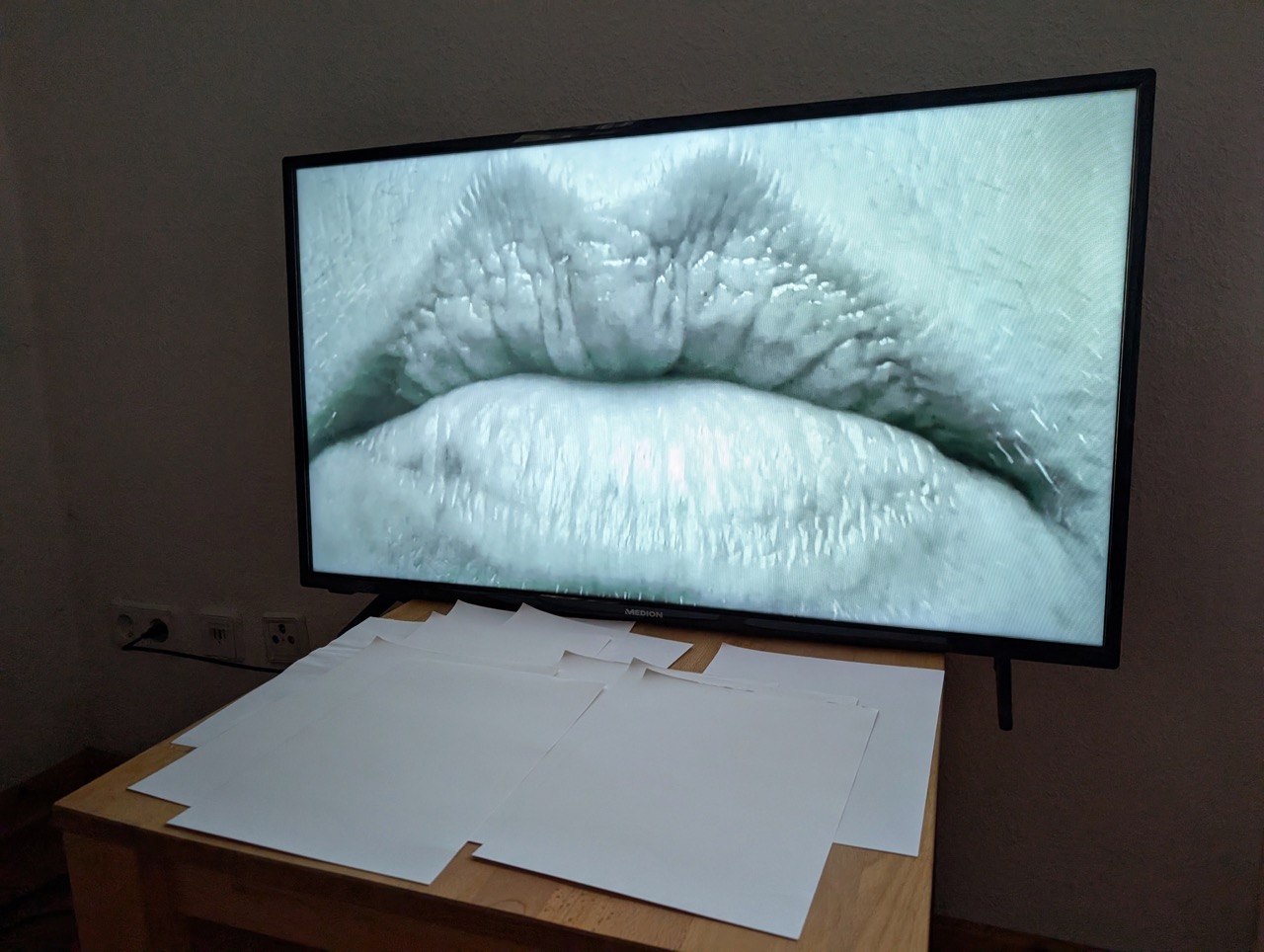
In the heart of Poznan, on the Old Market 23/1, December 6 at 18:00, the exhibition will open A Possible HomeTalk about what “home” means today. In the space of the independent gallery and the poster artist's studio Shimon ShymankevychArtists from Belarus, Poland and Ukraine who are united by a creative connection with the city of Poznan will meet.
The project immerses the viewer in a complex emotional topography of war experience, forced relocations, breaks and losses. And next to pain are other, equally important meanings: adaptation, coexistence, search for new support, creation of communities.
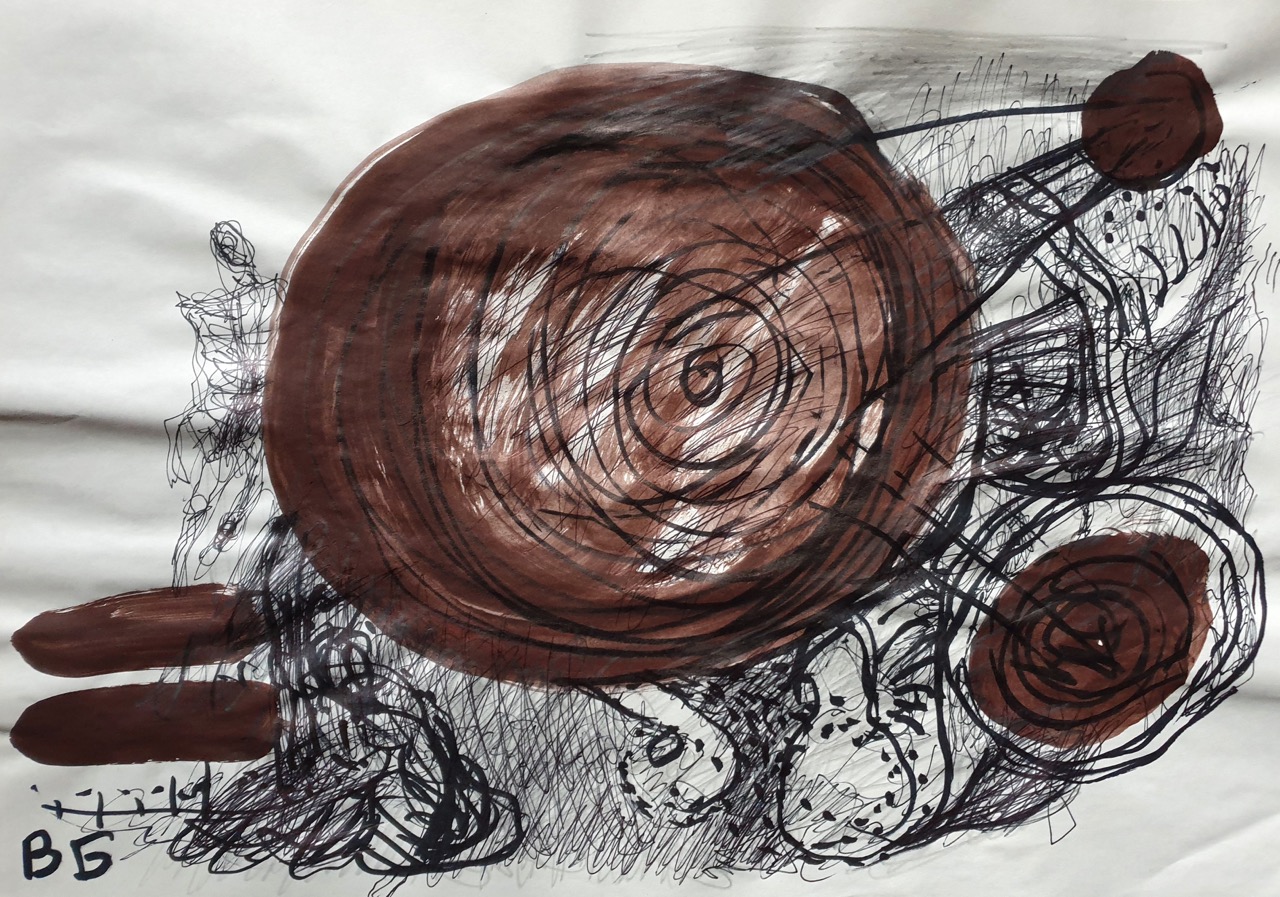
Exhibitors: Yanush Baldyga, Vladimir Budnikov, Eva Datsko, Andrey Dostlev, Liya Dostleva, Stefan Fitzner, Ola Korbanskaya, Alexey Lunov, Volga Maslowska, Vitold Modejevsky, Vlada Ralko, Sergey Shabokhin, Shimon Shymankevich and Raman Tracjuk. The project is curated by Zofia Nych.
“A Possible Home” is an invitation to rethink what makes a place home, and how art helps to experience a change of coordinates in one's own life.
Below is the curatorial text Zofia Nych:
Possible home
A Possible Home is a collective artistic narrative about the experiences associated with a change of residence.
The exhibition presents works by contemporary artists and artists of different generations from Belarus, Poland and Ukraine, for whom Poznan at some point became a common point on the map. The exhibition reveals the meaning of places: those that have become a home by choice or by force, as well as those that have been abandoned.
A possible home can be understood as a house that can happen — allowed; here the concept of “may” is opposed to “want”. In this approach, the exhibition shows different ways of understanding the fact that we live in times of great change, that our world is in a state of war, and the proximity of death is once again a theme of the present.
In the works presented in the exhibition, daily war rhetoric gives way to deep, sensitive expression in which personal, intimate experiences are combined with the language of art and culture. From this combination emerges a universal reflection on the state of the modern world in the face of change.
This reflection opens the space for artistic actions that acquire a political dimension, revealing non-obvious connections between established meanings (Volodymyr Budnikov, Szymon Szymankiewicz, Raman Tratsiuk). The presented works explore the relationship between the social and the private (Sergiey Shabohin, Volha Maslouskaya), and the fixation of violence is combined in them with the search for strategies for survival, care and inner freedom.
In the experience of emptiness, artists and artists try to find a place between truth and its imitation; between what is known and what is not available or lost. They point to the moment when the past ceases to exist and the possibility of the new remains uncertain (Ewa Dacko, Stefan Ficner). They explore reality and the dissonance between the imagined and the visible, using the body and its limits as an instrument of cognition (Vlada Ralko, Janusz Bałdyga).
In their works dedicated to the image of the emigrant, they reveal the stereotypes and tensions that the view of the Other and the look of the Other (Lia Dostlieva, Andrii Dostliev, Alexey Lunev) manifests. In the “possibilities of home” they also see a space that opens up a narrative that allows us to think about a new future and emphasizes the importance of community formation in another's landscape (Ola Korbańska, Witold Modrzejewski).
But to what extent can a home made possible elsewhere be truly one's own?
Diverse forms of work — from graphics to new media — subtly capture cultural codes, creating a narrative of loss, anguish and the formation of collective care. A possible home is a space of artistic dialogue in which art becomes a medium of integration and understanding — as a process of metaphorical deconstruction of the old and construction of the new.
Zofia Nycz
Exhibition start: 6 December 18:00, Stary Rynek 23/1, Poznań


.svg)