

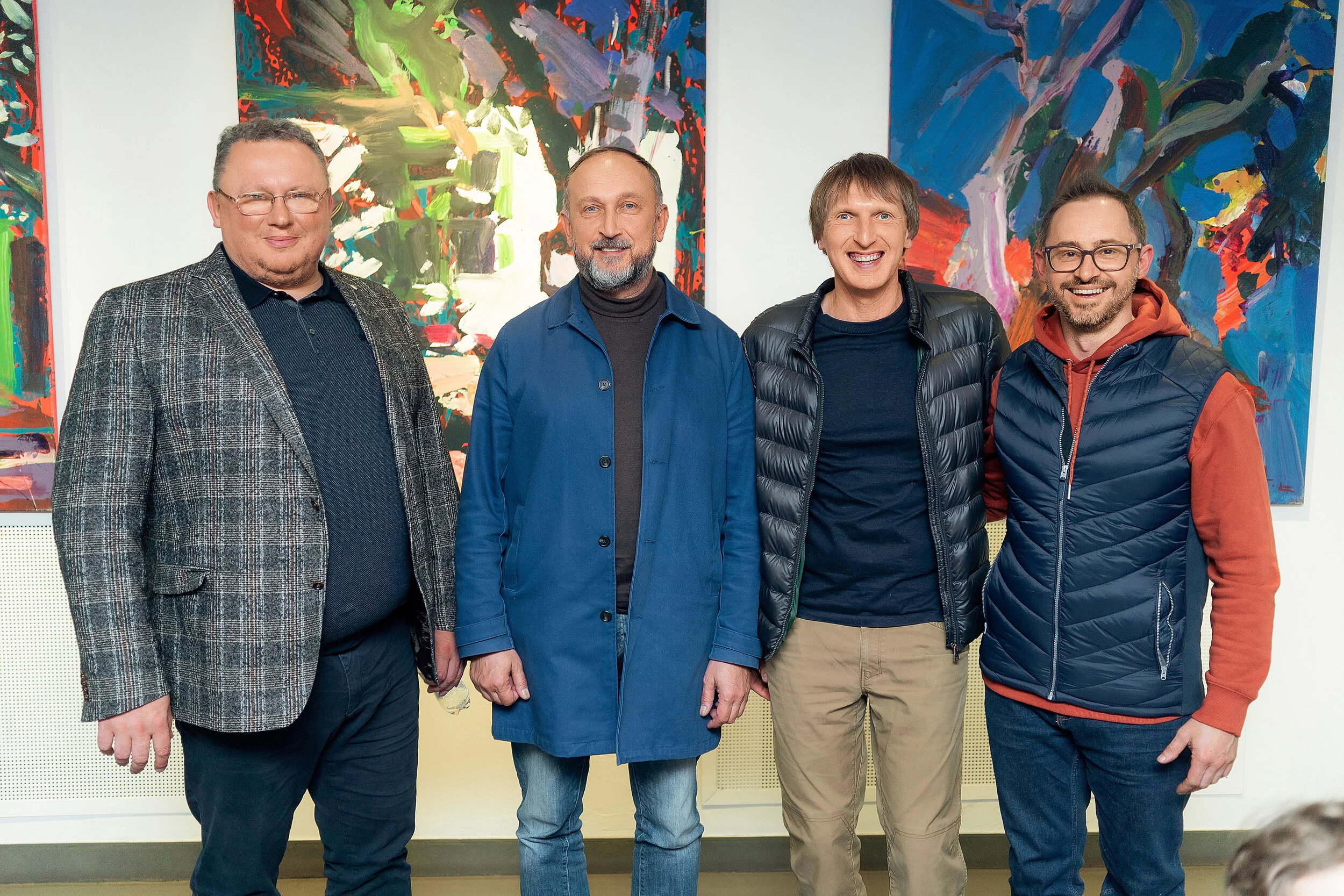
On October 9, people who founded and develop cultural initiatives in different cities came to the closing of the X Kanev International Sculpture Symposium: Pavlo Gudimov— curator of the art center Ya Gallery in Kyiv and Lviv; Viktor Korsak— founder of the Museum of Contemporary Ukrainian Art of Korsaki in Lutsk; Gennadiy Kozub — Commissioner and co-founder of the International Symposium BIRUCHIY. Together with the founder of the artistic association KrasneChorne in Kanev Yuriy Stashkiv and curator of this year's Kaniv Symposium Ekaterina Pidhaina they discussed the issues of decentralization, state participation in cultural life and work with the audience in the framework of a round table “Regional Art Initiatives. Is there real impact and potential?”.
We publish the most striking theses from the speeches of the participants. Watch the roundtable broadcast in full you can on Facebook of the symposium.
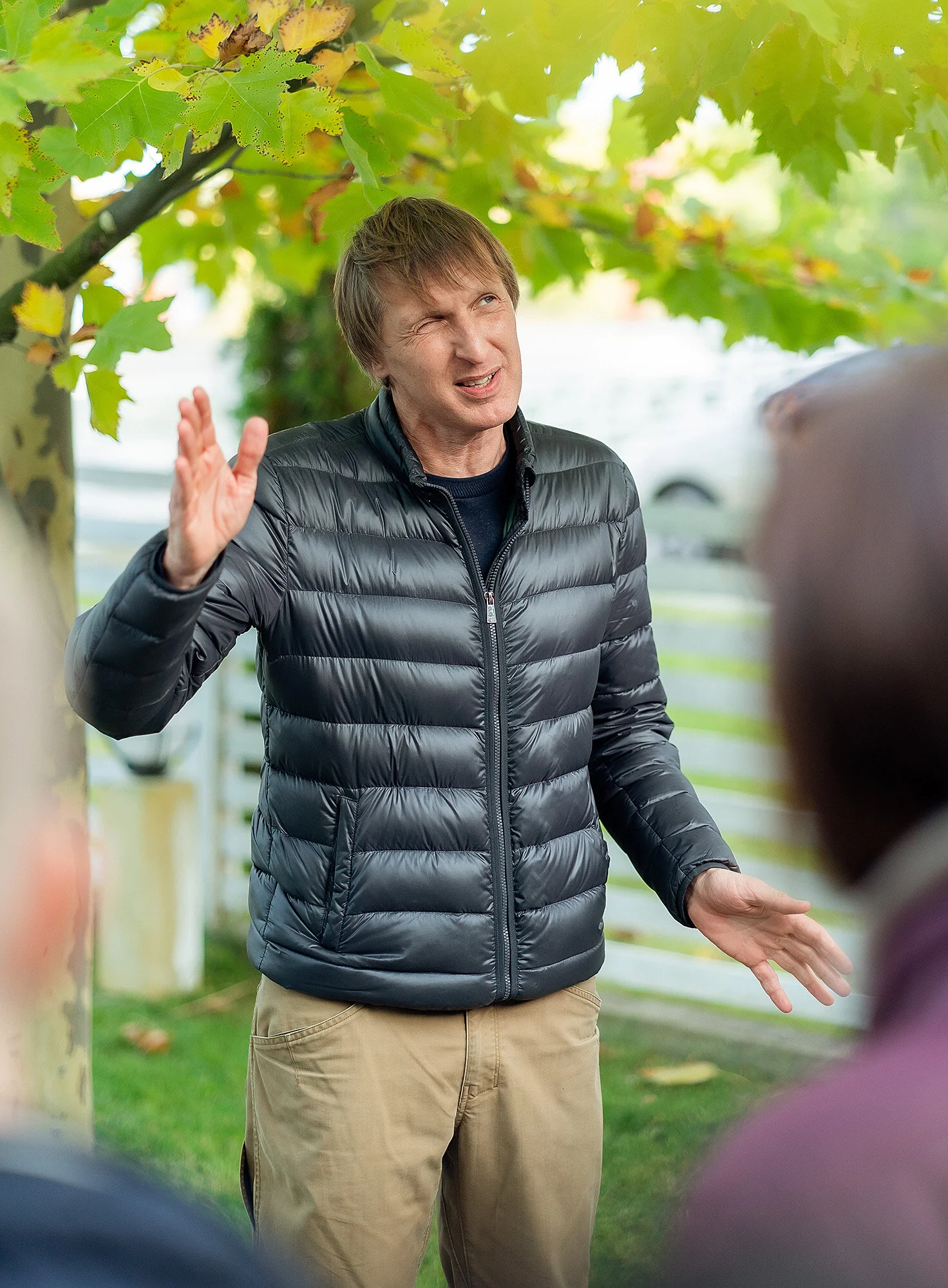
To Kanev, as a cultural center, we strive to bring contemporary art from different parts of Ukraine. So, we don't need to find just some Canian history and dwell on that.
When people come to us from abroad and from all over Ukraine, they will definitely come to the Taras Shevchenko Museum, watch the content there — and everyone becomes sad. I understand why this happens.
When we were just starting out, we were laughed at directly by text. Later we exhibited several sculptural works and we were “anathema” — no more sculptural symposiums like this need to be done here, because it does not correspond to what should be near Shevchenko. And then we ourselves began to make exhibitions with the Shevchenko Museum. At first, they allowed Alexander Babak's project “Rika” to hang in the museum for four hours. Then a day, a week. In the end, the exhibition was there for a month and they could not say goodbye to it in any way, because they themselves liked it.
RedBlack has evolved from amateurs to a consistent and concrete institution.
In our Ukrainian conditions, we have to do everything extremely well: if you hold a symposium, then only extra-class. It will take five to ten years — and it will become a normal occurrence. But everything takes time. If we had not done anything for the last 15 years, then there would be nothing to go on this road in Kanev.
In Ukraine, much depends only on us: whether you do something yourself or wait for the state to come and do something. Therefore, we do not have high expectations from the state. We can only say a big thank you to the UCF, who supported us in 2019.
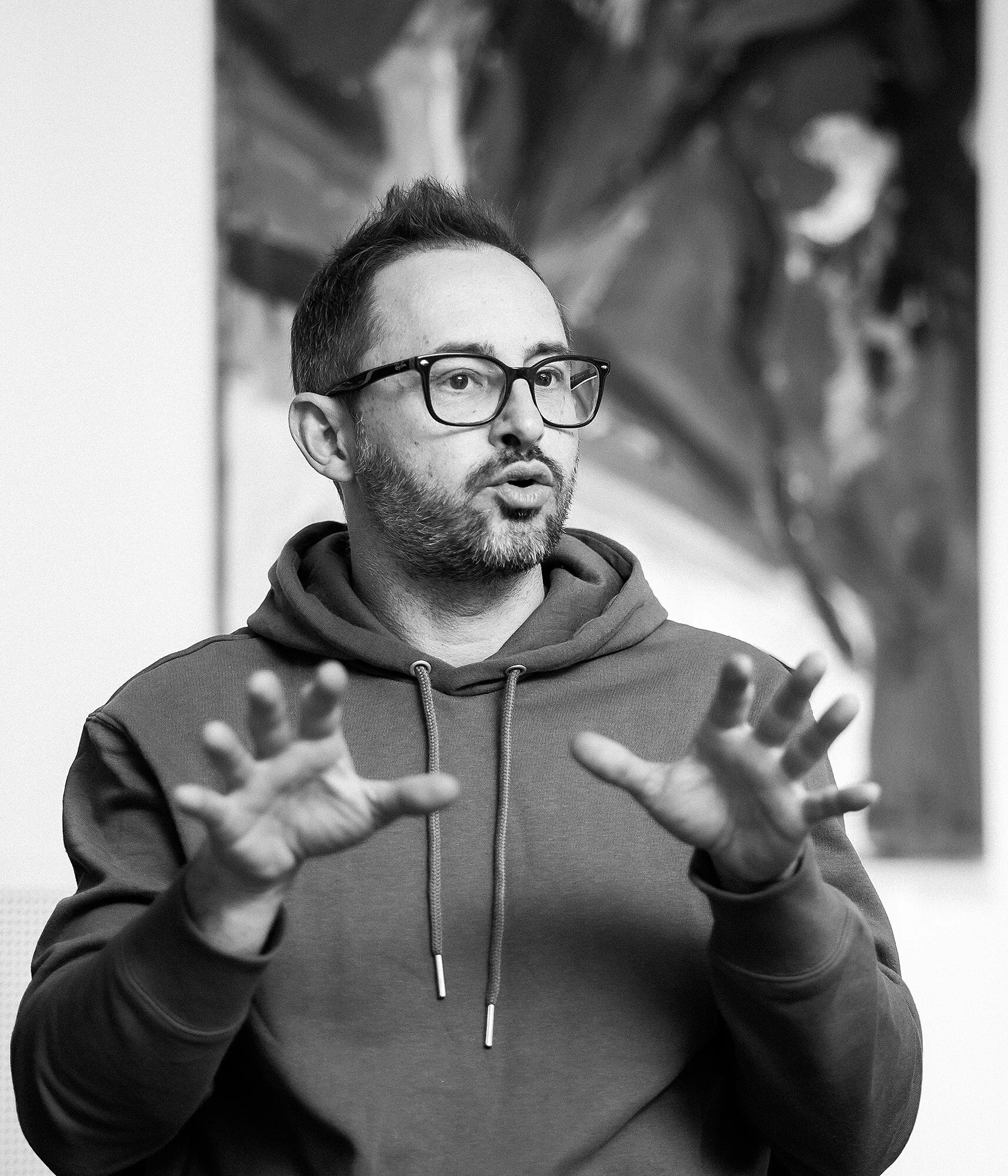
In regional policy, it is necessary to clearly understand and strategize processes, not just go into the field and do actual work. Without strategizing and brainstorms, there will be no holistic approach.
If you make a cultural product, you have to be a professional and understand what audience you are working for. If your expectations are too high, you are not a professional. Curating a project is a clear understanding of what you are doing. If a niche project — then niche, popular — then popular.
The country has a big problem with the sites. Therefore, when we talk about the audience, they also need to be educated. Not everything depends on the product. A lot of it is systematic, so it is important to pursue clear strategic goals. At the same time, repetition is not a system, it is a system.
The state has already learned how to make a wow effect for the tick, but not yet for the audience.
It is necessary to create a transministerial group to work with culture: the Ministry of Education, the Ministry of Regional Development, the Ministry of Culture, the Ministry of Economy. One ministry is not capable of really changing the state of affairs in culture.
Communities, for the most part, do not have their representatives of cultural elites among the authorities — and that is a problem.
Experts differ from creative elites in that they have a broad vision, consistency, experience and a desire not only to promote themselves, but to raise the whole environment. The reason why things are weak is that the community itself is weak. We are insecure, delicate and egocentric. Instead, we need to work on the environment and make certain sacrifices.
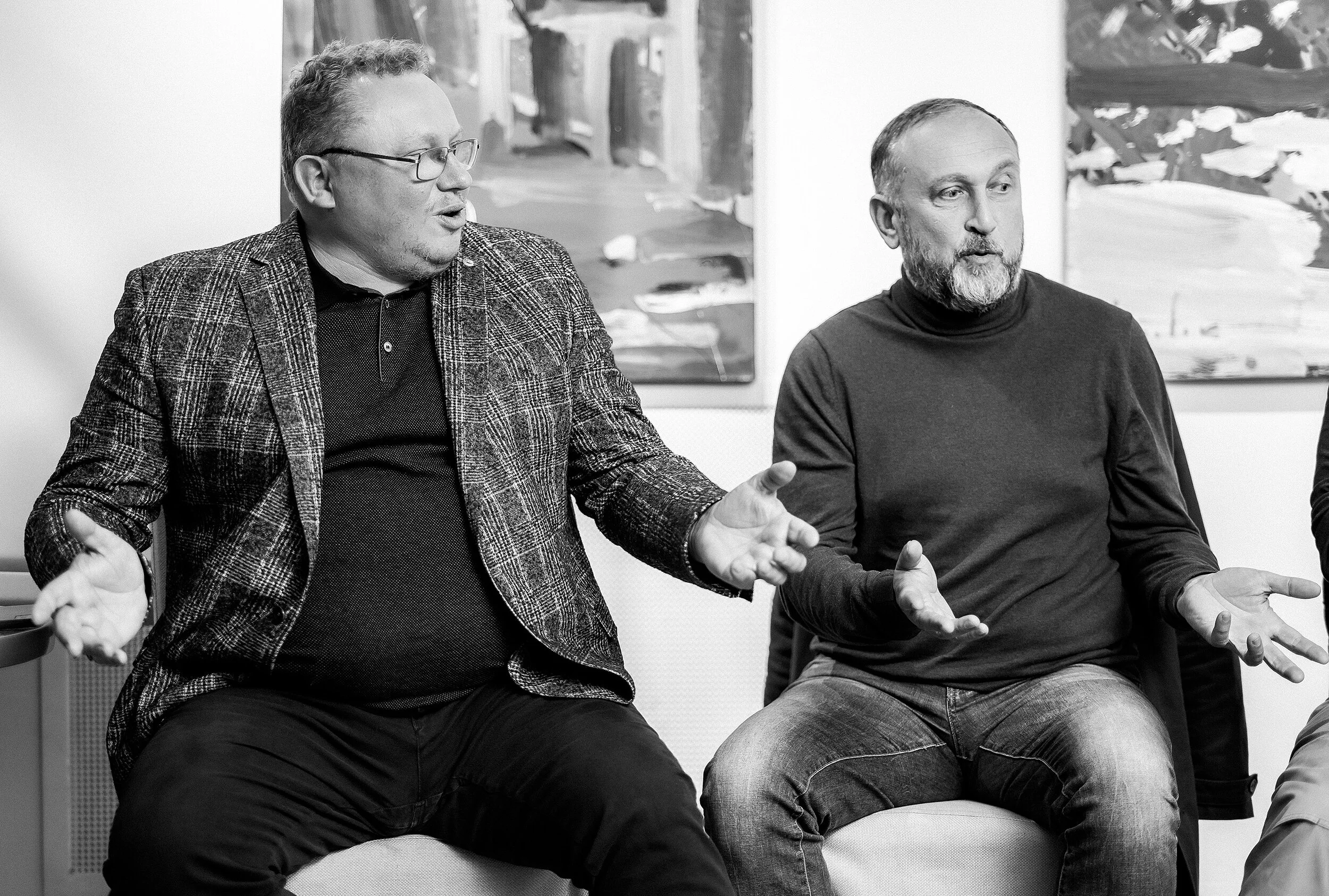
This year for the first time in 15 years of existence of the symposium, we did it not in Biryuche, but in Primorsk. I saw a very big difference between what was 15 years ago and our time.Previously, we had to look for funds, I constantly turned to the city hall, to business. Now there was a great interest in the project in the mayors of Primorsk and Melitopol — they themselves helped us as much as they could.
I believe that during this time there have been changes in our society — today it is much easier and with more understanding that people relate to what we do.
As for the state, I consider success when it simply does not interfere.
Museum history is absolutely no different from other products. The problem of almost all of our museum institutions is the ignorance of what strategic management or marketing is. These people know the cultural component and their exhibits, but do not know what to do with them next. Museumists should have management training — how to bring institutions to the world level, and not just live the goofy things that everyone lives now.
In my understanding, a museum is three “K's”:
Concept: there must be an idea that is understandable to all audiences.
Collaboration: cooperation with the consumer and other museums.
Communication: speak different languages with different channels with different consumers
Among the authorities there are not those people who are engaged in the aesthetic intelligence of people. When I hear that the number one issue in Ukraine is to make a museum of Ivan Marchuk, it is a shame. And this is the state of aesthetic intelligence at all levels.
Today in our country we have a philosophy that the less people see pictures, the less they spoil them.


.svg)