
These ten books on sculpture and sculptors will allow us to look at art from different angles: as the personal story of the artist; as the face of the city and the space around us; as the history of the development of technology and culture; or as the embodiment of our identity and corporeality. Some of these editions do not have Ukrainian or Russian translations, but are unique and important for understanding sculpture.
Richard Serra and Hal Foster “Conversations about Sculpture”

Richard Serra is one of the most interesting American sculptors who, using mainly industrial materials (steel, metal, rubber), erected large-scale minimalist sculptures. They were supposed to influence the perception of the space around the viewer, change the sense of time and the emotional state of a person. In his works, Serra acted not only as an artist, but also as a philosopher and researcher. Because of this, his conversations with art critic Hal Foster are particularly thorough: in the 2018 book, they discuss the importance of a variety of sources of inspiration (from Renaissance sculptors and Japanese gardens to psychoanalysis and engineering inventions), analyze the modernity and biography of Serra himself. While the sculptor's biography can be called a slice of an entire era, considering that he was born in 1938 and has undergone many transformations and influences in his creative path.
Josef Boyce and Volker Garlan “What is Art?” (Què l'arte?)
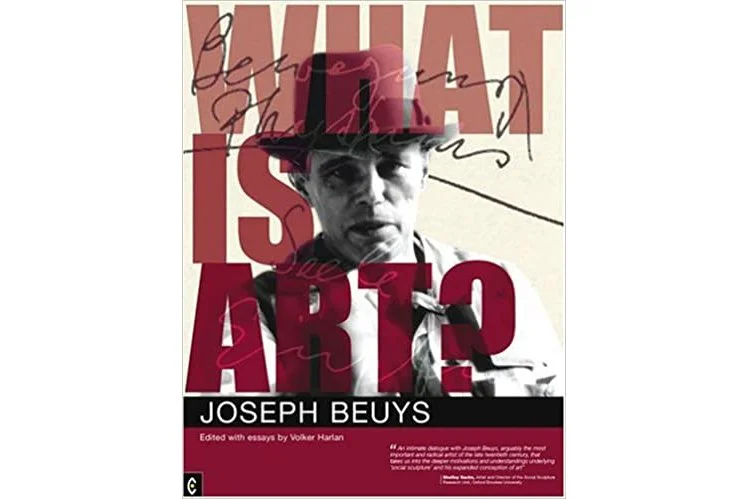
Another book in the format of dialogues of the artist and art critic — but completely different in content. In the last century, Boyce introduced an important idea into the art community: the artist should not show the viewer his own genius, but help the audience to create art on their own thanks to the tools provided by the artist. That is, to be a mediator, not a messiah. So Joseph Boyce was precisely the “social sculptor” — his spatial works were meant to penetrate into different spheres of people's lives, often combined with actionism and political expression. In the book, Boyce explains his views on sculpture and also provides an alternative to how to practice art in the modern world.
Auguste Rodin “Conversations about Art”
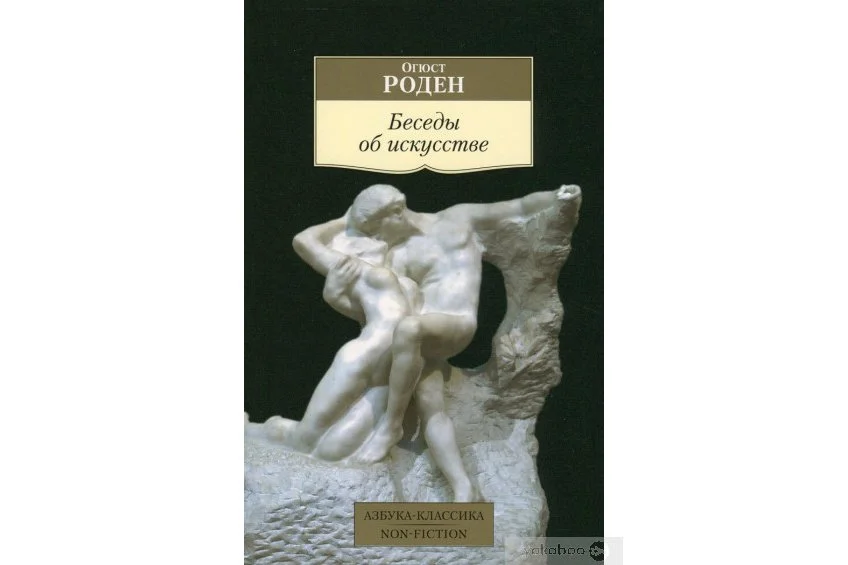
Modern sculptor Auguste Rodin also described his views on sculpture in detail. His narrative style is more sublime and poetic than in the previous books in the selection. Rodin ponders the concepts of beauty, nature, the legacy of Antiquity and the Renaissance, believes in the high goals of art, and appreciates other sculptors. Conversations with Roden were recorded by Paul Gesell almost unchanged, and in a quality translation they can create a feeling of “eavesdropping” or personal communication with the sculptor.
Paul Greenhal “Ceramics, Art and Civilization”
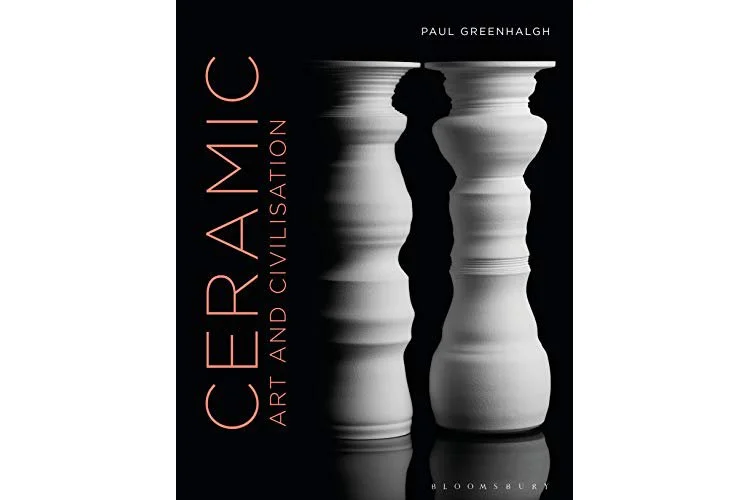
To explore any kind of art from the centuries of the past era to the present day is always an ambitious task. Curator and art historian Paul Greenhall managed to do this not only qualitatively, but also to present information about ceramics in an unexpectedly fascinating way. The author does not focus only on the Western context, but also pays a lot of attention to the art of Asia and the indigenous peoples of the Americas. Ceramic works become a real portal to understanding human life, thinking and development through millennia.
Diane Duran “Innovators in Sculpture”
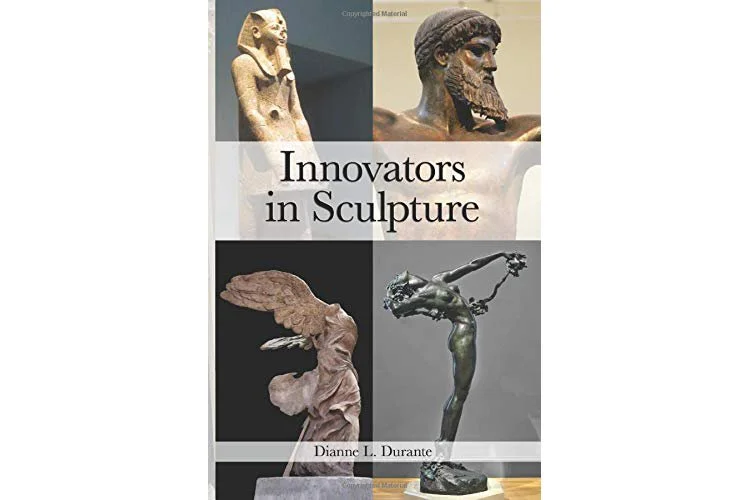
Art depends not only on ideas and emotions, but also on technology — with their development the appearance, form and accessibility of works inevitably change. In sculpture, this is especially evident: new materials and techniques allow artists to do things that seemed fantastic a few years ago. The author of the book on innovation in sculpture takes an even longer period of time (namely from ancient Egypt) in order to assess changes in both the art and technological development of mankind.
Rosemary Burrow's “Gender, Identity and the Body in Greek and Roman Sculpture”
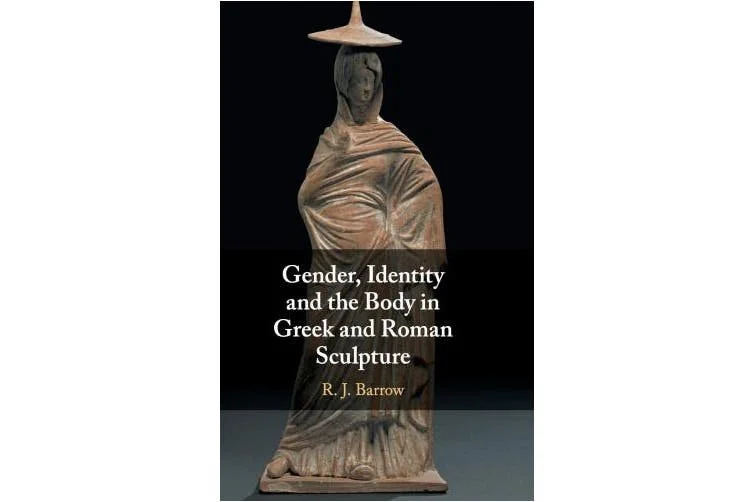
A rare, but definitely worthy book by a British art historian. Burrow explored how modern notions of gender and identity can be incorporated into the analysis of ancient sculpture, which has traditionally been seen as a canon of beauty and harmony in art. Through such a prism, we can better understand how and why ancient masters began to depict bodies quite differently from their contemporaries from other cultures, which in worldview and philosophy accompanied these images. But even better, the book contributes to an understanding of exactly how we use the concepts of gender and identity when looking at classical sculpture.
Galina Skliarenko “New Ukrainian Sculpture”
In this book you can find descriptions and reflections of the author on the work of such Ukrainian sculptors as Nazar Bilyk, Dmitry Grek, Petro Gronsky, Egor Zigura, Alexey Zolotarev, Ilya Novgorodov, Vitaliy Protosenia and Daniel Shumikhin. It will help to form an idea of who of the “young” generation is actively working with sculpture today. Although this publication provides a fairly monotonous view of current artistic processes, it is one of the few that generally touches on the topic of Ukrainian sculpture.
Kseniia Stepas “Kiev Mascarons”
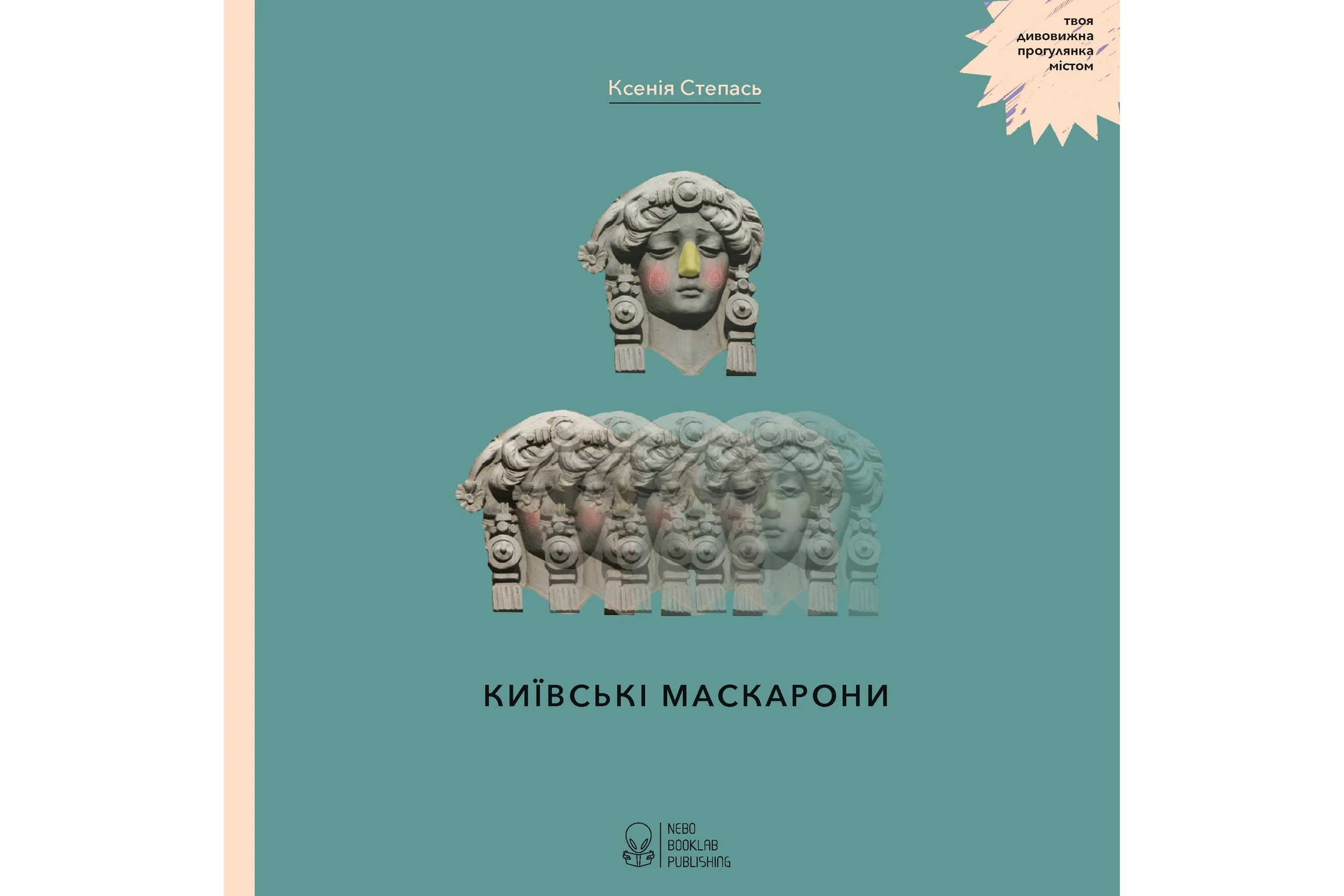
Mascarons are those faces (masks) of people, animals or chimeras that adorn many buildings. Decorative relief elements can be seen on the streets of most old cities if you raise your head and look at the columns, arches, gables, fountains and just around you. In order to find, see and understand the Kiev mascarons, artist Ksenia Stepas conducted her own research. In the book you can learn the stories of famous modern buildings and the features of the mascarons that adorn them — in particular, the House with Chimeras, the Makovsky Clinic or the Maikapar House.
Marina Protas “Sculpture Symposiums of Ukraine”
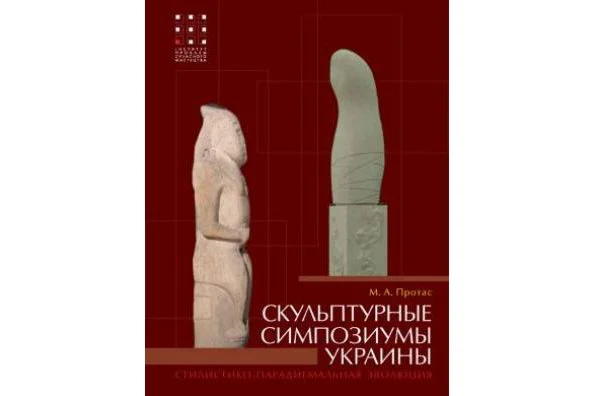
This monograph examines sculptural symposia up to 2012 (which is when the book came out) — it would seem that enough changes have occurred in almost a decade to render the publication morally obsolete. However, on closer inspection, it turns out that most of the names of sculptors at the symposia have not changed, and some problems do not disappear. For example, Protas notes that in fact the only participant of the symposium movement at that time was Lyudmila Mysko — today the number of women at symposiums has hardly increased. Also in the monograph you can find interesting things to understand the origins and features of the local context of sculptural symposia.
Shtepanka Sekaninov, Yakub Tsenkl “33 most famous paintings and sculptures”
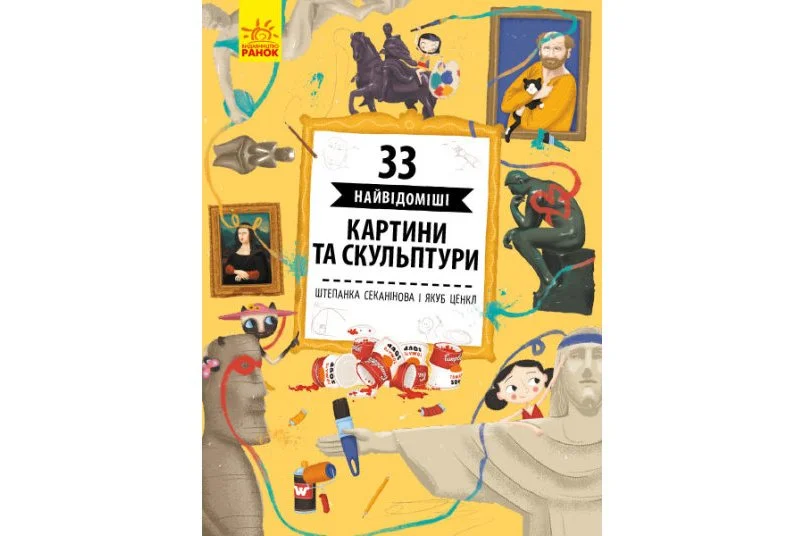
Simple descriptions of various currents of art and famous works, vivid illustrations, interactive tasks — this typical children's book will help explain not only to the child, but also to himself why Auguste Rodin's “Thinker”, Miron's “Discobol”, Statue of Liberty or Manneken Pis (another name — “Pissing Boy”) are worthy of attention and reflection on them. And also, what's new about culture can be learned the next time we look at sculptures in public spaces.


.svg)