
The author — Ekaterina Pidhayna.
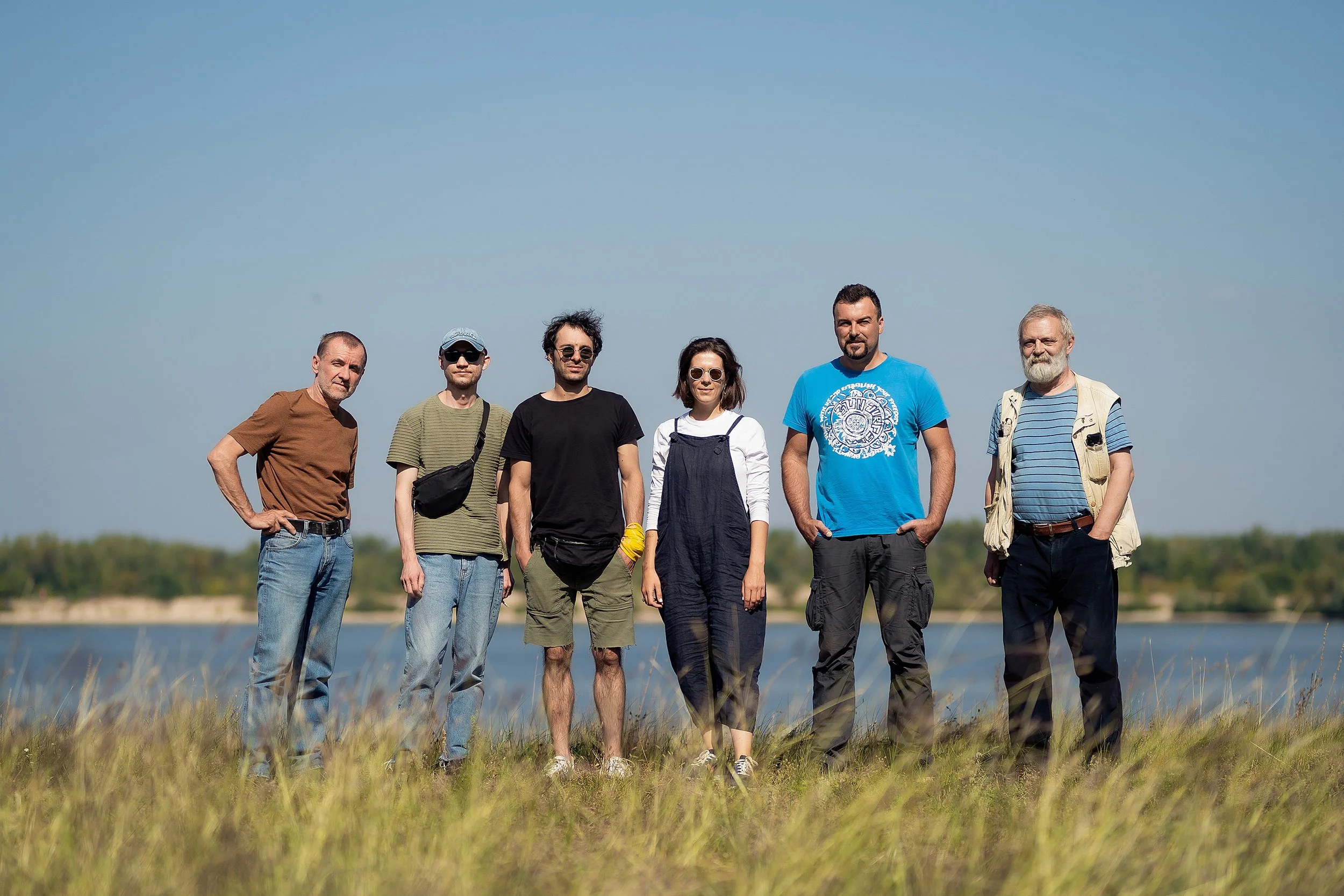
Cultural manager, curator of the Kanev International Sculpture Symposium.
Sculptural route in Lviv's Stryi Park: where it comes from and where it leads...
Sculptures in public space are a good sign of the human need for high-quality visual fullness of the surrounding urban environment. In Ukraine so far, they cause ambiguous discussions with a negative connotation both in broad and profile circles. Discussions of sculptural projects that emerge during a full-scale invasion are even more acute and seem to have as much power to stir dissension as geopolitical topics. If we do not take into account the frankly speculative and low-quality sculptures in public spaces, many opinions and comments make it difficult to understand whether the project actually has the right to visual communication with us.
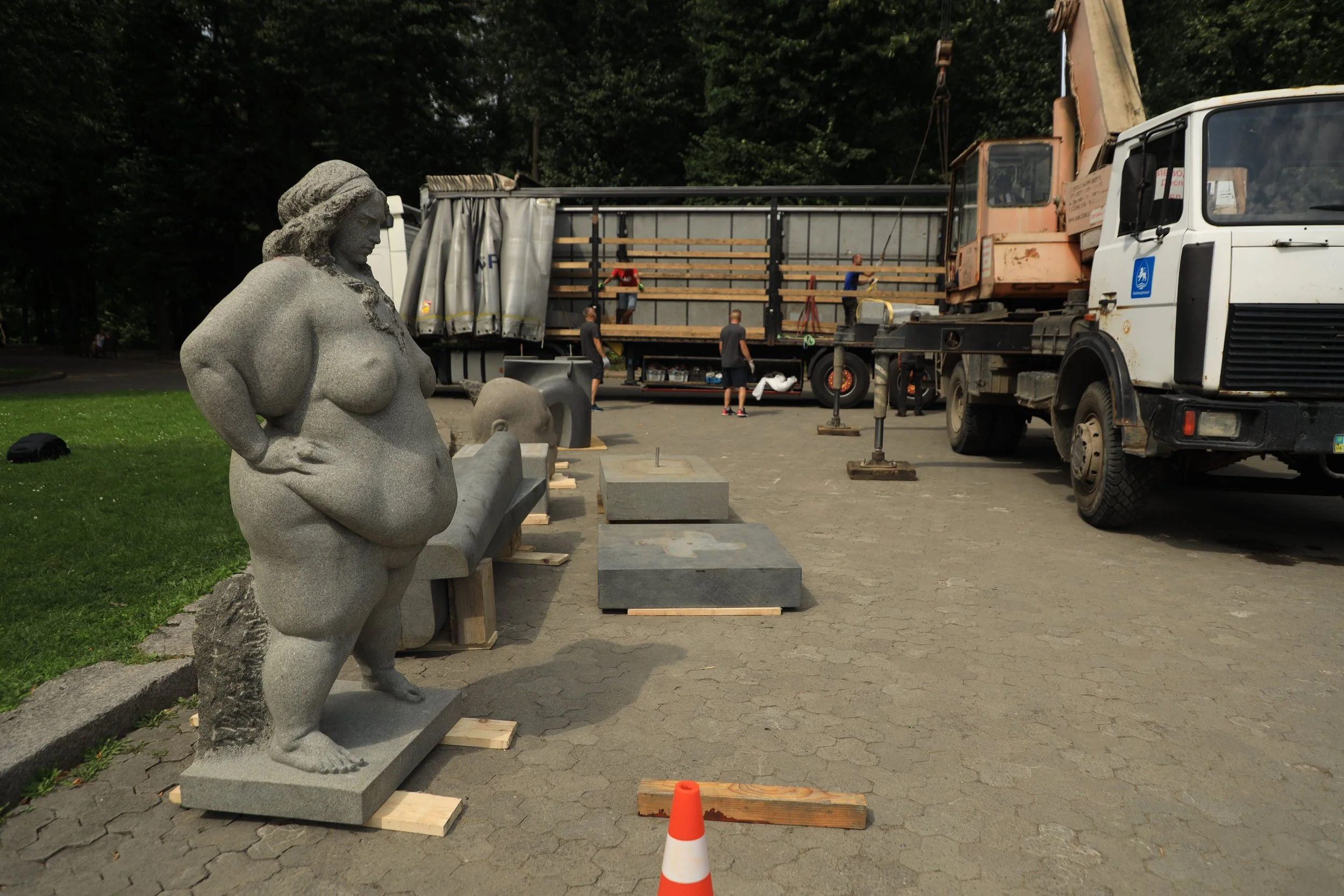
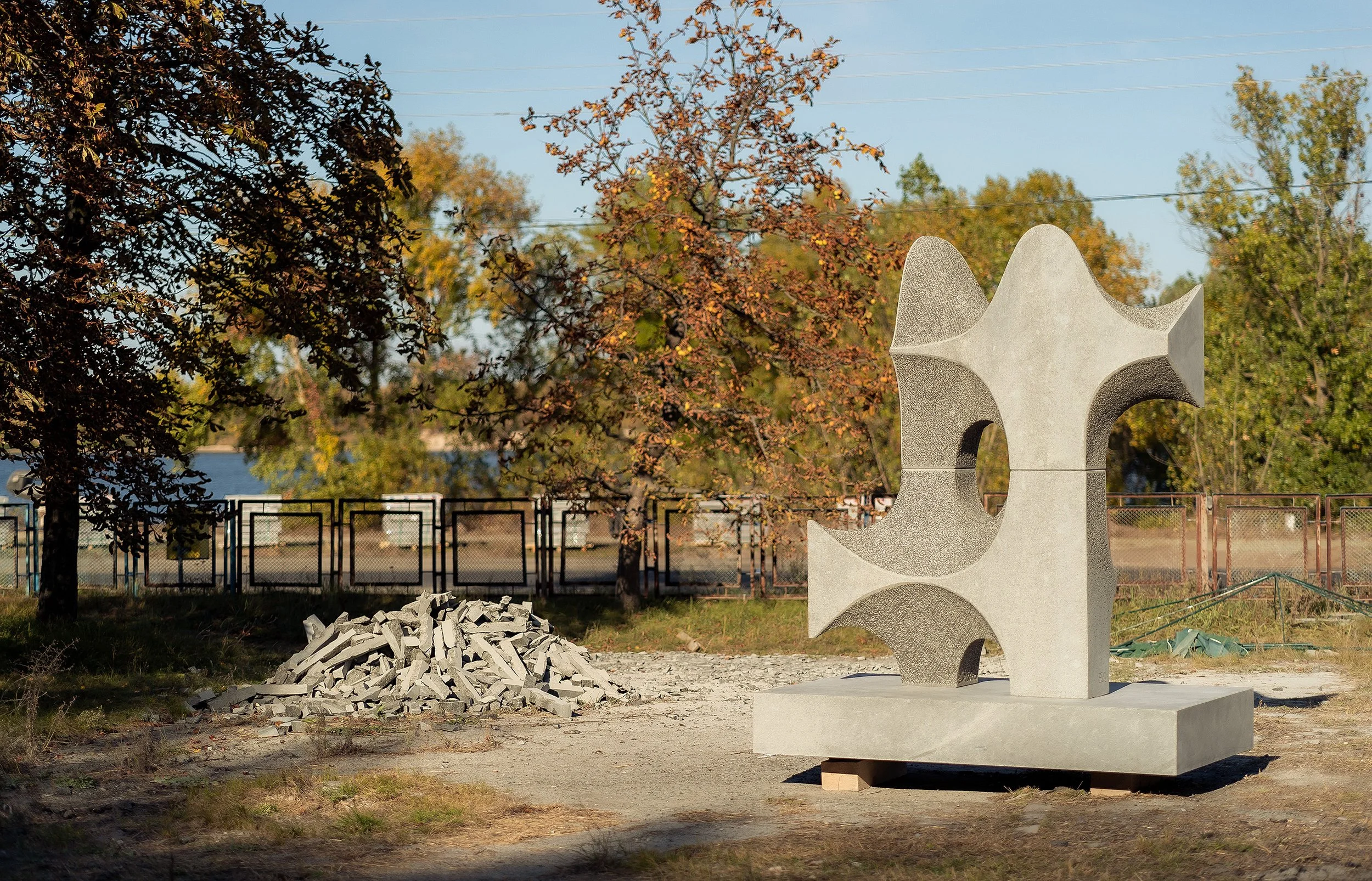
From the idea of the project “Sculpture Route” in Stryisky Park to the present day, the creative association “ChervoneChorne” has a balanced approach to the content of the project and all communication to the outside, which, however, did not prevent the avalanche of negative comments towards the project, more precisely, for the most part sculptures “Confident” by Vasily Korchovy.
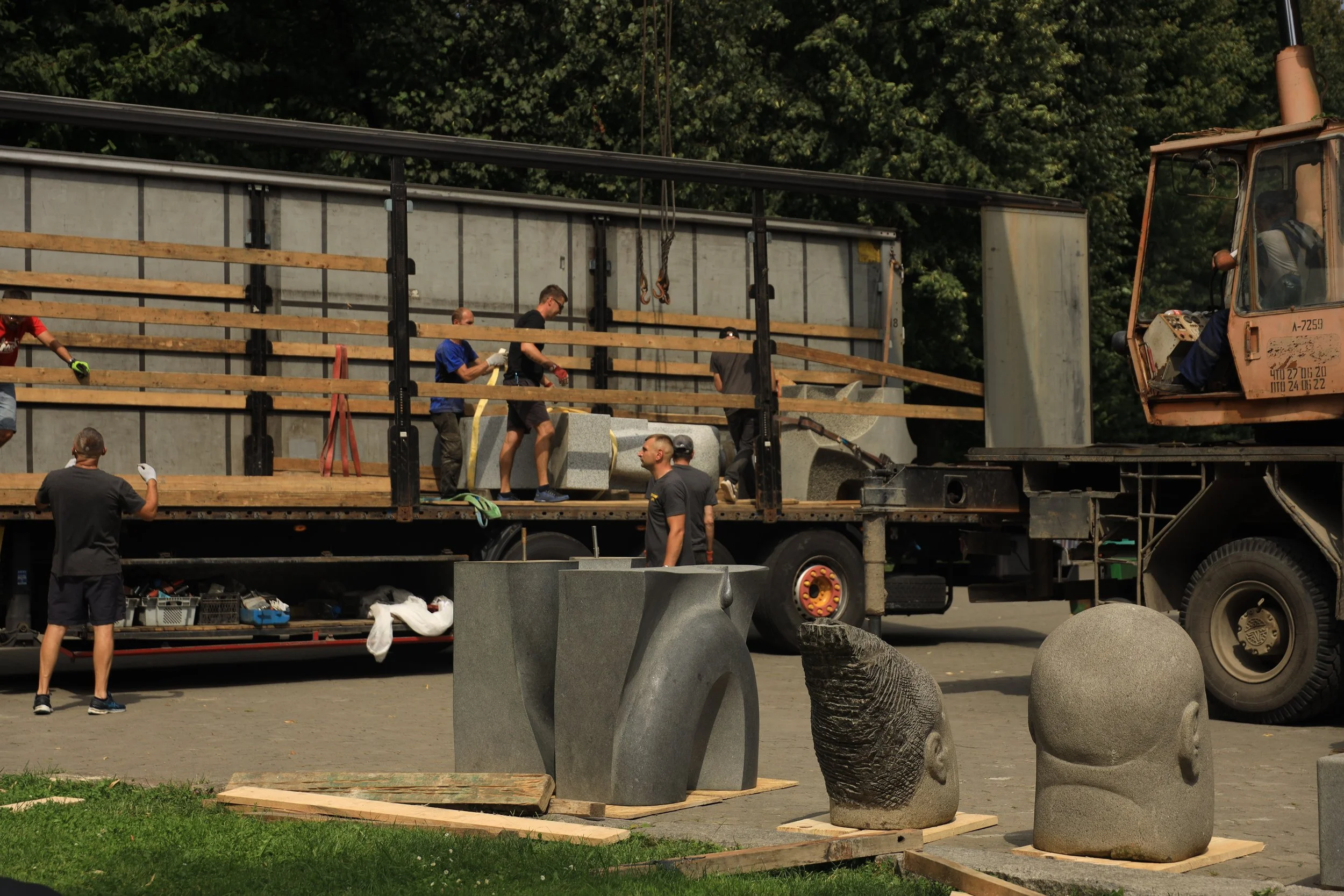
There was almost no formal information about the project from the organizers at the stage of transportation of sculptures from Kanev to Kiev and their unloading in the park. Since they stood in the open in Kaniv, where they were already contemplated by many people, it was impossible to predict such an instant reaction to the sculptures just unloaded on the lawn of Stryi Park. Informational support was planned for the period of installation of the sculptures in their final places. In addition, the recent August rocket attack on Lviv, i.e. uncertainty about the course of events in wartime conditions, became an additional reason for limited communication until the very moment of installation of the sculptures.
Further communication from the organizers on the website, social networks and through the media regarding the purpose of the project, the artistic value of the works, the source of funding was similar to confronting the snow avalanche of speculation, interpretations and discussion of the sculpture of Vasily Korchovy. The scandal was inflated to such an extent that even those who blew it themselves began to see it as a political provocation, because the degree of discussion was unnaturally high.
The case of the project in Stryisky Park is broader than “Confident” in the sense and temporal context. What was actually the canvas for the creation of these sculptures and the purpose of the project? And in general, what is the strategy of the Ukrainian private cultural institution on the example of CHC, that is, “what, why and how”.
WHAT
The goal of the creative association “KrasneChorne” has been and remains unchanged since 2011, when the association began to engage in the Kanev International Sculpture Symposium and Sculpture Park in Kanev: to promote sculpture, to provide artists with opportunities for work, to promote international cultural dialogue and increase the tourist potential of the city through sculptural projects. With the war, another mission was added: to increase the visibility of Ukraine on the cultural map and curiosity for partners and sponsors who invest in the reconstruction of cities.
The creative association “ChervoneChorne” was not accidentally created in Kaniv. Due to the beautiful nature (wide Dnieper, relief cliffs), Shevchenko places, as well as the proximity to Kiev, this city and nearby villages have always attracted artists. In the last century, students and teachers of the Kyiv Art Institute (now the National Academy of Fine Arts and Architecture) traveled here for summer practice and plenaries, during the presidency of Viktor Yushchenko Kanev became one of the focal points on the cultural map of Ukraine. In 2007, a sculptural project was held on the initiative of the president: in honor of Taras Shevchenko, 19 sculptors made works that can be seen today on the “Shevchenko Alley”. It is at this time that a new artistic movement arises here. Yuriy Stashkiv and Kateryna Dovgaylo, who take care of the hotel “Knyazha Hora”, founded the artistic association “KrasoneChorne”. It grew out of collecting works of visual art that were made in Kaniv in different years. Subsequently, the organizers of the association began to invite artists and curators to the residencies. Among the artists who worked with the CHC most often, we can mention Alexander Babak, Alexander Dyachenko, Vlada Ralko and Vladimir Budnikov. The building for the residences and the gallery of 1000 sq.m. were the result of the renovation of the Soviet tourist center “Kaniv” and the dining room next door. In 2011, a sculptural symposium was added to the art residences. The impetus for its inception was the acquaintance with the sculptor Alexander Dyachenko. According to Yuriy Stashkiv, Diachenko's sculpture “Naked” actually changed the collector's perception of plastic art and set the beginning of a major international project — the Kaniv Sculpture Symposium, which annually hosted sculptors from all over the world until 2021.
WHY
“Kaniv is the cultural center of Ukraine. What needs to be done in order to be responsible for the land and somehow justify the property? One of the key points is culture. If you want to deal with real estate and land, with something that will attract tourists in the future, the creative class, then you have to start with culture,” says Yuriy Stashkiv.
Therefore, for unification, almost all twenty years of cultural activity have been subordinated to this strategy of development of the place through artistic projects, a high degree of social responsibility to the city and the public, without the involvement of which such projects lose their meaning.
Of course, I was inspired by the experience of public projects, in particular, sculpture parks in the world, their enormous impact on the perception of the landscape and the raising of funds. For example, Cristo Javashev and Jeanny-Claude's sculpture The Gates in New York's Central Park, Anish Kapoor's The Bean in Chicago or Vigeland's installation in Oslo have become true symbols of cities and have attracted millions of tourists. In turn, this led to an increase in the money circulation of local businesses, positively influenced and continues to influence the image of cities among its residents and foreigners and their investment attractiveness. By the way, none of these projects was initially unanimously supported by the local community.
Sculptures by first-line masters at the Guggenheim Museum in Bilbao and the museum itself have been visited by an average of more than one million people every year since its opening in 1997. This has an extraordinary impact on the Basque economy and society, contributes to the development of tourism in the region, the improvement of the image of the city, as well as the revival of many public places and private houses. This whole phenomenon, baptized by the media as the “Guggenheim effect” or the “Bilbao effect” has highlighted the importance of cultural tourism and has caused an imitation effect in other countries. The project was fully funded from budget funds. At the stage of its planning, he did not find the support of local residents and some famous artists, who in the future will make exhibition projects here. If you dare and fantasize, we can say that it was Kaniv in Ukraine that could become the city for the creation of a modern museum, which at one time became the industrial Bilbao in Spain.
“If you dare and fantasize, we can say that it was Kaniv in Ukraine that could become the city for the creation of a modern museum, which at one time became the industrial Bilbao in Spain.”
Richard Florida, who originated the concept of “creative class” and whose agency actively advises cities on economic development through creative projects, puts forward the theory of the three “T's”. In order for a city to attract the creative class, it must have 1) talent (highly talented/educated/skilled population/community) along with appropriate projects visible in space and some system of interaction; 2) tolerance (a community that professes the spirit of “live and give live”); and 3) technology (the technological infrastructure necessary to feed the culture of entrepreneurship).
Here, in addition to the intellectual and financial efforts of private initiatives, local governments play a critical role in creating a conducive environment and infrastructure for the development of cultural initiatives.
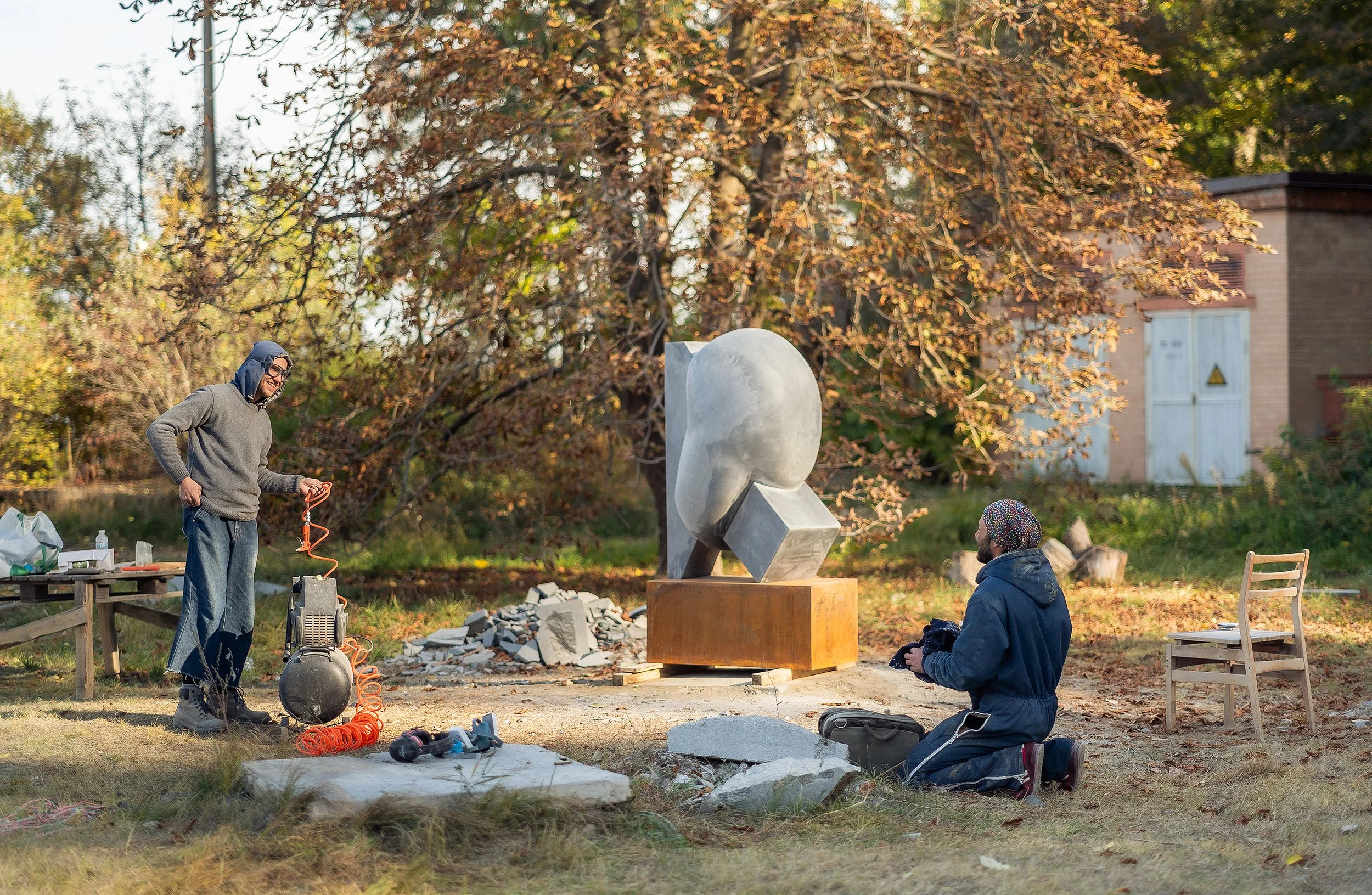
Let's go back to Kanev — since 2011, the World Cup has gone from being ignored and denied to support from the authorities and residents. The sculpture park has become the main uniting chain. Currently, it includes several dozen sculptures made of Ukrainian stone, mostly granite, which are located on the territory of the Kaniv Hotel “Knyazha Gora” and on the embankment along the Dnieper with free access to them at any time. Since the Sculpture Symposium is a kind of sculpture laboratory, the newest works (2021 year of creation) are on the work site. Finding or forming the location of each sculpture is a long process and the work of a whole team.
HOW
With the beginning of the full-scale war of Russia against Ukraine, the projects of the art association were put on pause. However, not for long. To continue to develop our own cultural initiatives in opposition to the aggressions of the occupier, aimed in particular at the destruction of Ukrainian culture is a strategy that many Ukrainian institutions have chosen despite everything. Accusing them of spending money on the development of their own institutions is absurd. This is what satisfies one's own ambitions and gives the opportunity to apply knowledge and experience, to build businesses and, in the end, becomes a vital impulse that helps to move and not lose track of reference for both initiators and recipients.
“It is something that satisfies one's own ambitions and gives the opportunity to apply knowledge and experience, to build businesses and, in the end, becomes a vital impulse that helps to move and not lose track of reference for both initiators and recipients.”
You can learn to do something at a high level if you do it constantly and thus improve yourself. In the format of the symposium, it was impossible to continue the sculptural project, taking into account the colossal financial costs of such a visit of sculptors and the uncertain security situation. However, during the war, there are practically no examples of highly technically made street sculptures. However, experience and expertise in working with artistic stone processing, landscaping and landscape landscaping, years of experiments gave the courage to dare to show sculptures outside the framework of the sculpture creation laboratory - Kanev and Kanev Sculpture Park - in other cities.
The environment of Lviv was seen as multicultural and ready for public artistic interventions, besides, it is the hometown of Yuri Stashkov and his native Stryi Park. The process of coordination with the Lviv City Council, the selection of sculptures and their locations in the park, taking into account the peculiarities of delivery, installation, additional exhibition materials took more than half a year. The project in Lviv was made possible thanks to the gallerist Pavel Gudimov, who contributed to obtaining permits for the installation of sculptures and supervised this project. He had the responsibility to convey to the local authorities the relevance and importance of the project — aesthetic renewal of the park space through artistic arrangement, improvement of the emotional state through integration of new sculptural works into the natural environment. Subsequently, the project was presented within the framework of the Lviv Sculpture Week, which was initiated by Pavel, which had additional image advantages and contributed to reaching a wide audience.
The modern world requires finding new ways to develop cities and regions. Cooperation between culture and business, government has long been an important component of the developed infrastructure and attractiveness of the modern city. In this context, the project of the Sculpture Park in Kanev and thus the Sculpture Route in Stryi Park in Lviv demonstrate a wide horizon of opportunities for the development of the city and become a place for discussions on the enrichment of its cultural material.
Therefore, cultural projects should continue even in the most difficult times for the country, and in the best case scenario, find the support of the community and the authorities. Do not over-romanticize a work of art or talk only about its artistic value. It is necessary, instead, to honestly admit why it is necessary to do this public artistic action; what are the personal reasons, social or economic, short or long term impact; take into account the adequacy of the time and place of installation; pay attention to communication with the audience. On the example of other countries with more experience in working with public spaces, it should be noted that the main experts in deciding what and where should be located should be representatives of city administrations, endowed with relevant experience, armed with prescribed methods and priorities for the development and improvement of the city. And most importantly - the desire to make intellectual efforts to improve both the lives of citizens and their own.
After the resonance and attention of visitors to the Sculpture Route in Stryi Park, “Chervonechorne” association received a request for similar cooperation with the city of Irpin, which chooses the cultural vector of development and considers public art objects as an important component of it. So there is every reason to assume that the demand for such projects from cities in the future will only grow...
Illustrations — photo provided by the association “Chervonechorne”, photographer Taras Bezpalyi
Source — media about culture “Sensor”


.svg)