%201.png)
Oleksandr Babak
Ukrainian artist, representative of the Ukrainian new wave
Bornin 1957 in Kyiv, Ukraine.
Lives and worksin Kiev.
Bornin 1957 in Kyiv, Ukraine.
Lives and worksin Kiev.
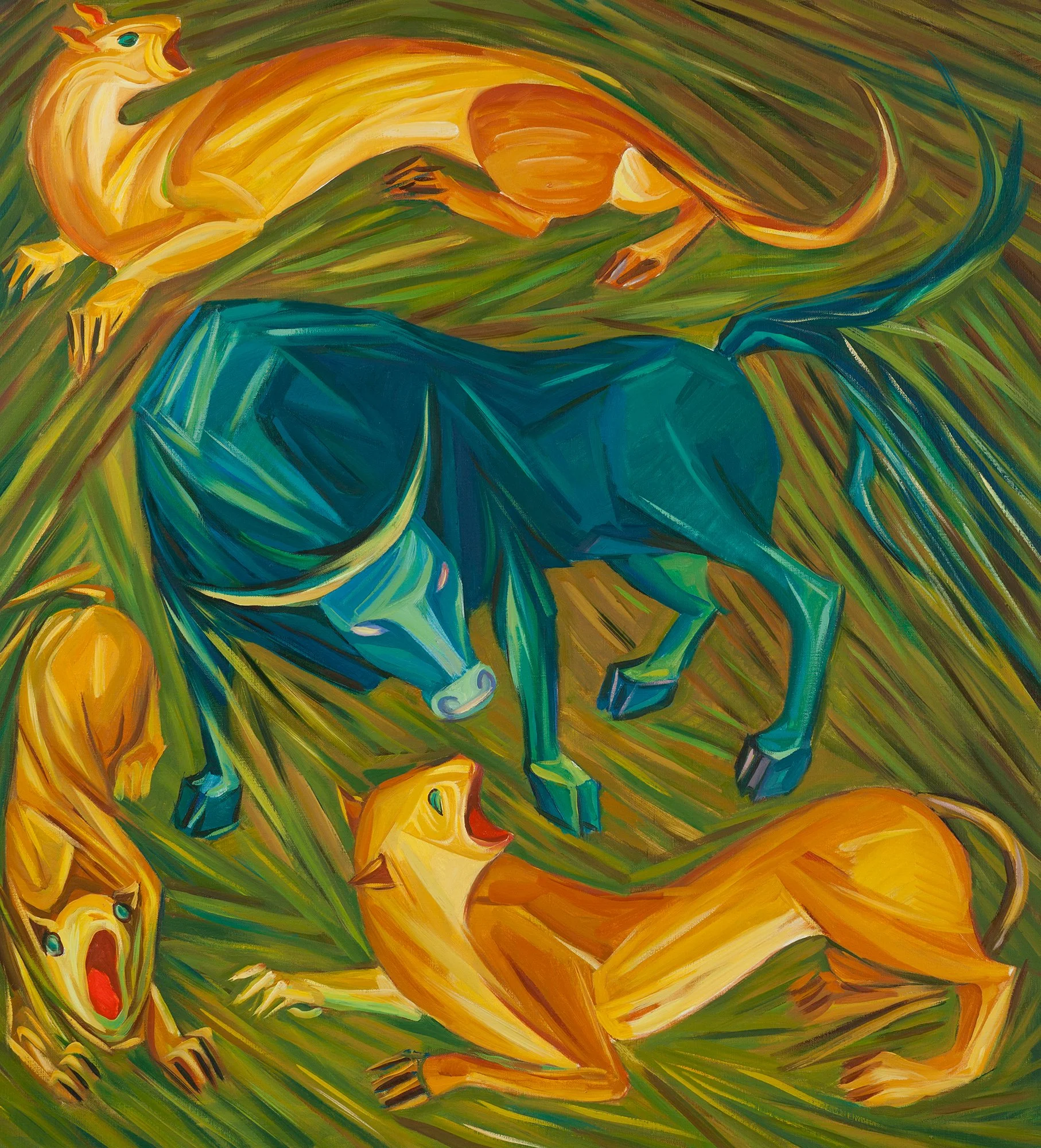
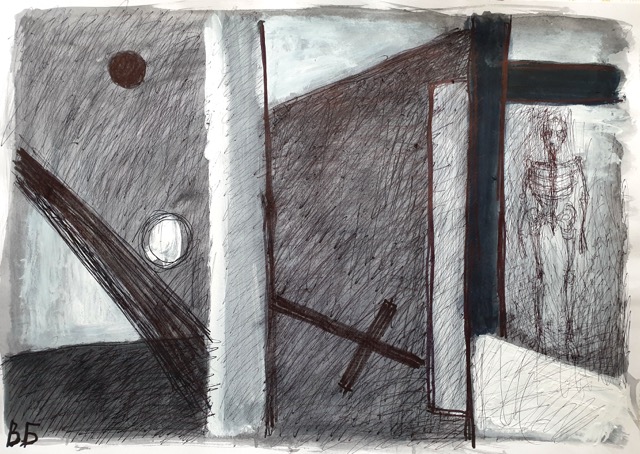
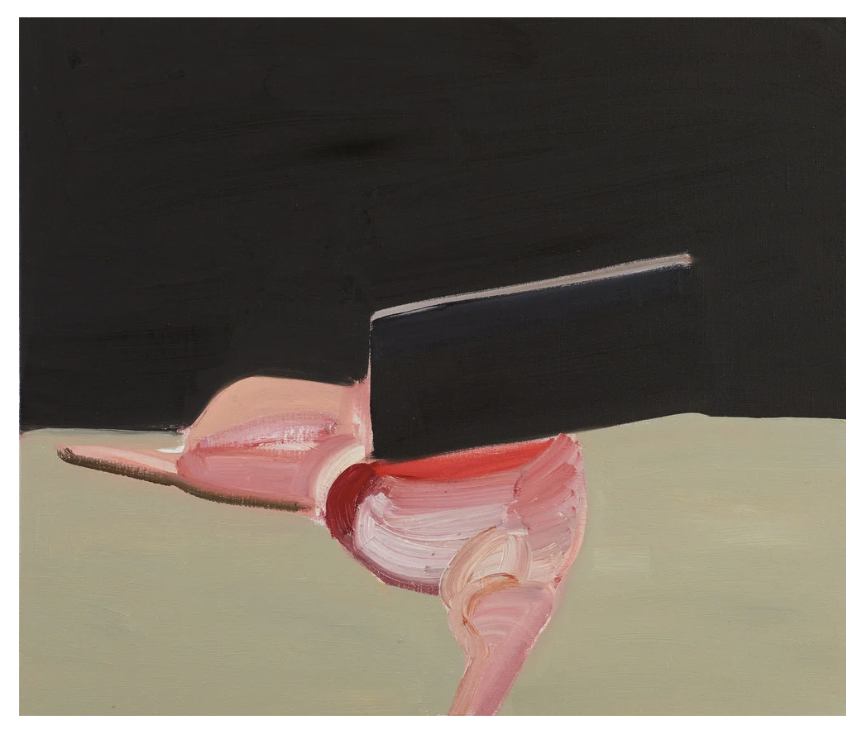
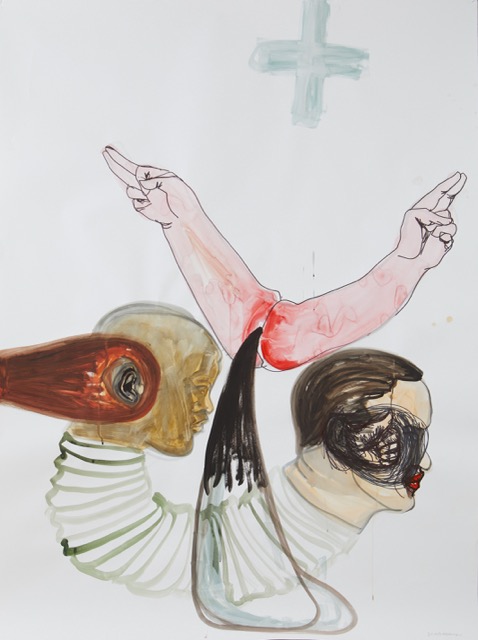
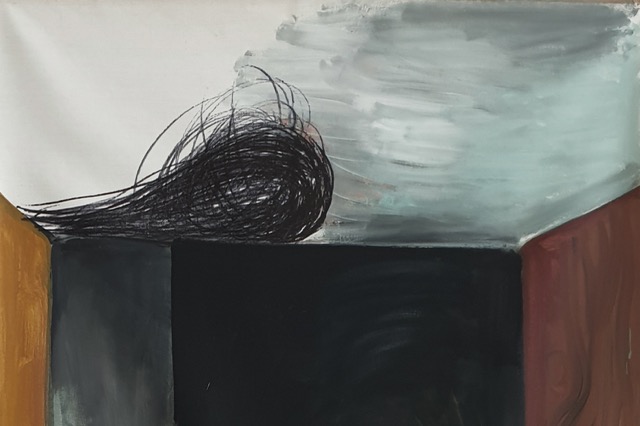
Oleksandr Babak is a contemporary Ukrainian artist who develops a deeply personal and at the same time historically rich style, focusing on the cultural landscape of Ukraine, its symbols and folklore images. His art is deeply rooted in the experience of rural life and mythology, where rural culture emerges as a central motif. Born in Kyiv, Babak works here and in Bolshoi Pervoz in Poltava region, which is an important source of inspiration for him.
“Babak shows his works without showing himself, giving up on himself - he does a miracle, turning to the sources of the Slavic world, bringing it into the context of modern Ukrainian art.”
— Elena Yagodovska
art critic, gallerist
After graduating from the Republican Art School named after him. VOL. G. Shevchenko, and later Kyiv State Art Institute, Oleksandr joined the National Union of Artists of Ukraine, becoming part of a significant Ukrainian artistic community. At the Art Institute, his teachers in the specialty were Nikolai Storozhenko and Vilen Chekanyuk.
Oleksandr Babak's work spans several decades and numerous projects both in Ukraine and abroad. During his career, the artist collaborated with many leading Ukrainian galleries, which contributed not only to the popularization of his works, but also to the further formation of his artistic language and distinctive style.
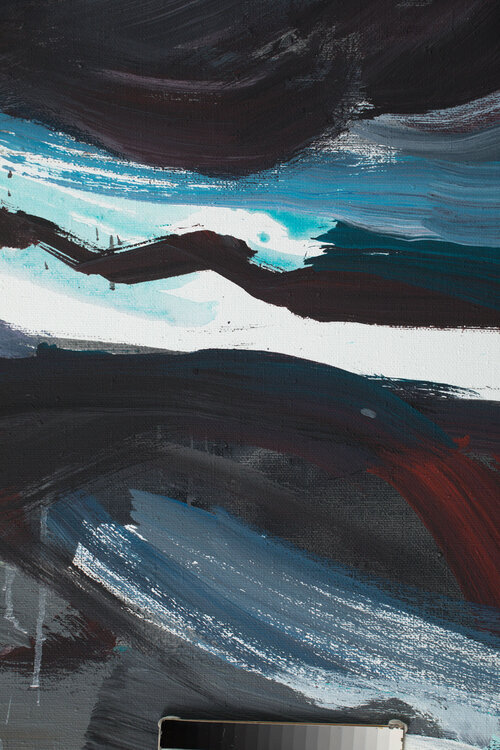
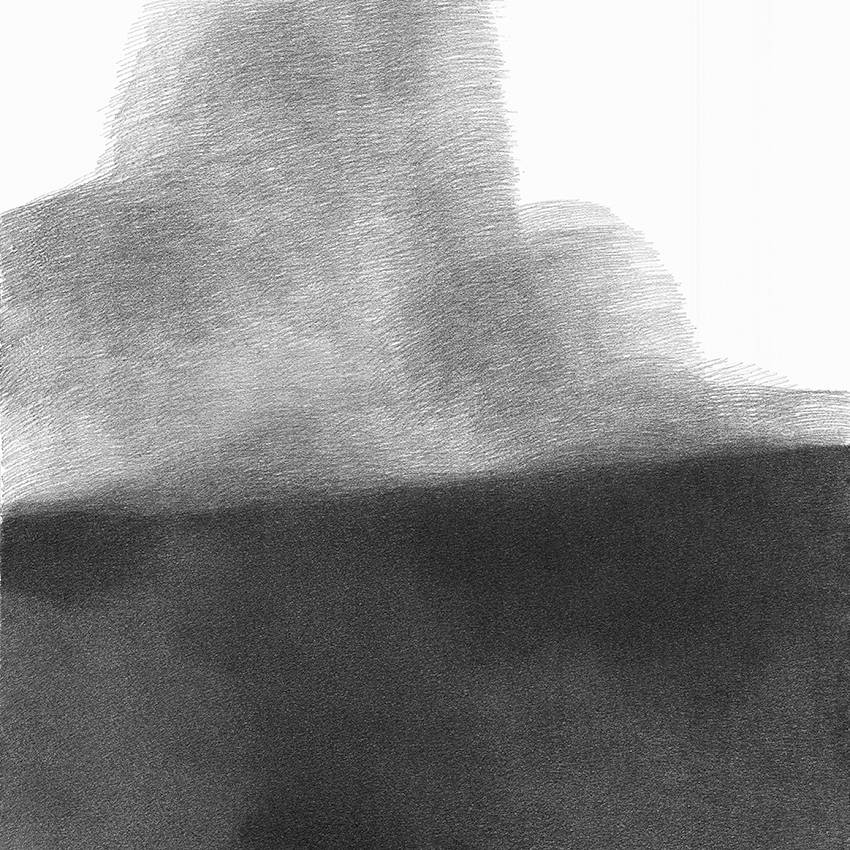
A long and fruitful period in the artist's work, which continues to this day, was the cooperation with Yuri Stashkov's foundation “KrasneChorne” (in the past — the creative association “KrasneChorne”). Work in the residence “KrasneChorne” began in 2010. It was here, in Kanev, that large painting series were realized, such as “Kaniv”, “River”, “Local”. Also, the artist is a visionary, an integral participant in the process of forming the space of the sculpture park, which grew up in the pastKanev International Sculpture Symposium, another multi-year project of the KrasneChorne Foundation. In addition to painting, Babak made fruitful use of this time to experiment with techniques and forms, such as photography, etching, to embody his ideas in smaller formats. His works have become a meditation and reflection of the identity of Ukrainian culture, and large-scale canvases emphasize the connection with nature and history.
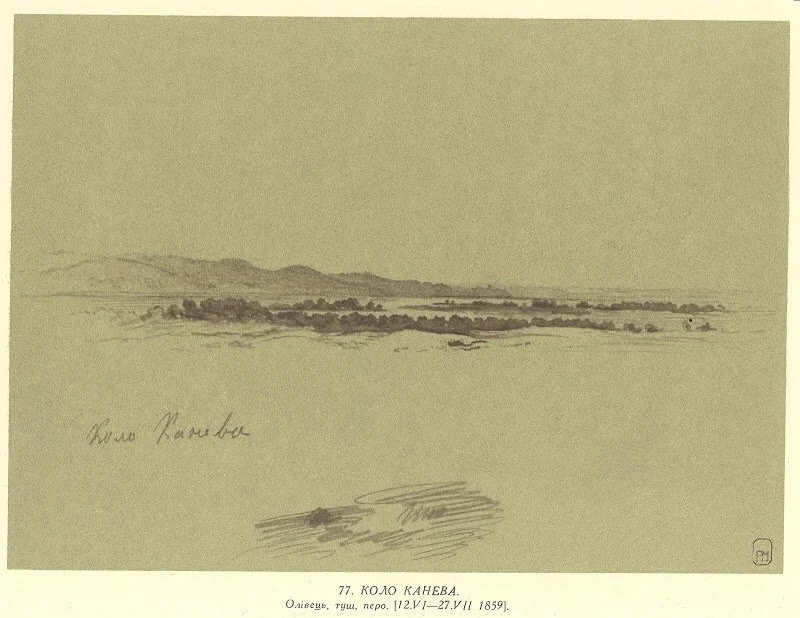
His Project “Rikami”, inspired by Shevchenko's drawing “Circle of Kanev”, is exceptionally important and symbolic. At the heart of the project is the artist's journey through Dnipro, which turns into a philosophical path to the sources of culture. This project, part of the “KrasneChorne” art residence, implemented with the support of the Ukrainian Cultural Foundation, reflects Babak's artistic pursuits — from addressing folklore heritage to visualizing common themes of loss, loneliness and change.
“I never thought that I would take up the honor of any figure. This is the first time. You need to look at Shevchenko not as an idol, but as an ordinary person. More importantly, think about who you are. If you want to dedicate a job to someone, dedicate it to yourself. Then you can not stoop. When you do something for yourself, you are not trying to create “beautiful” or “witty”. You will not go anywhere, you will have to do the truth.
It is not difficult for me to move away from the cult of Shevchenko, because I never planned to do a real dedication to him. But to dedicate a thing to ourselves and each of us is good,” says the author. (this quote can be made in the screenshot)
The series “Rikami” is a vivid example of his ability to convey the flow of time and the mystical connection with the Ukrainian landscape. The project began with a trip from Kiev to Kanev together with a team of documentary filmmakers who recorded the journey in photos and videos, immersing the viewer in a poetic study of the image of the river. This series has become not just an artistic idea, but also a reflection on the inevitability of change and the cyclicality of life, which Dnipro personifies. Characters such as the symbolic Carrier reflect the cultural transformations and reflections on life and death inherent in Ukrainian myth.
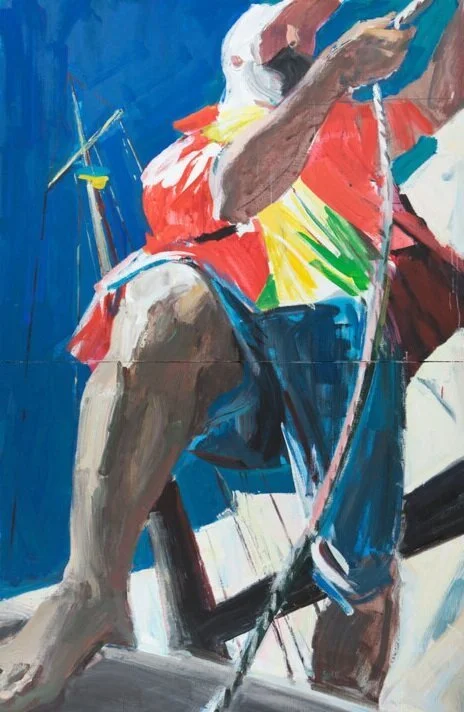
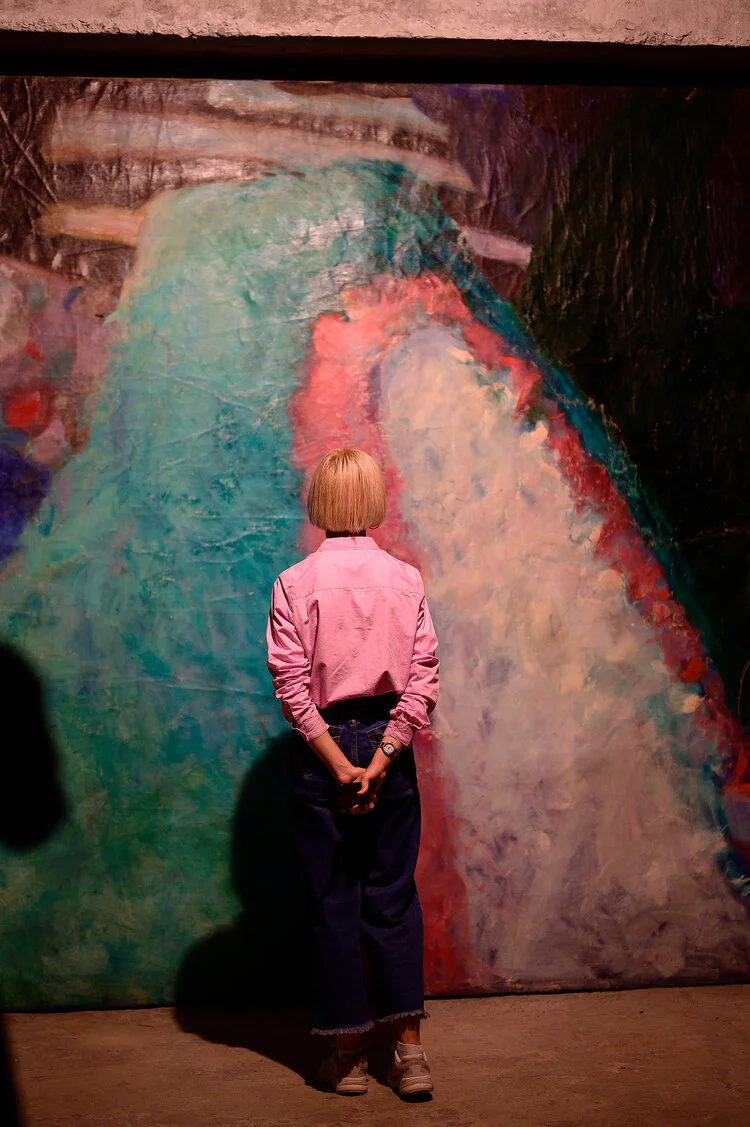
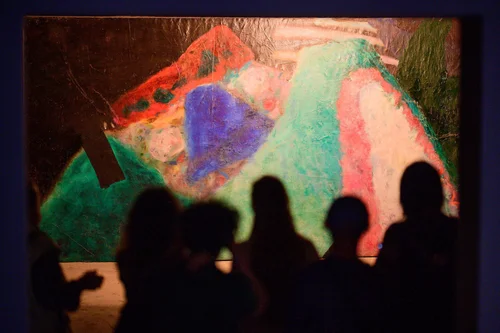
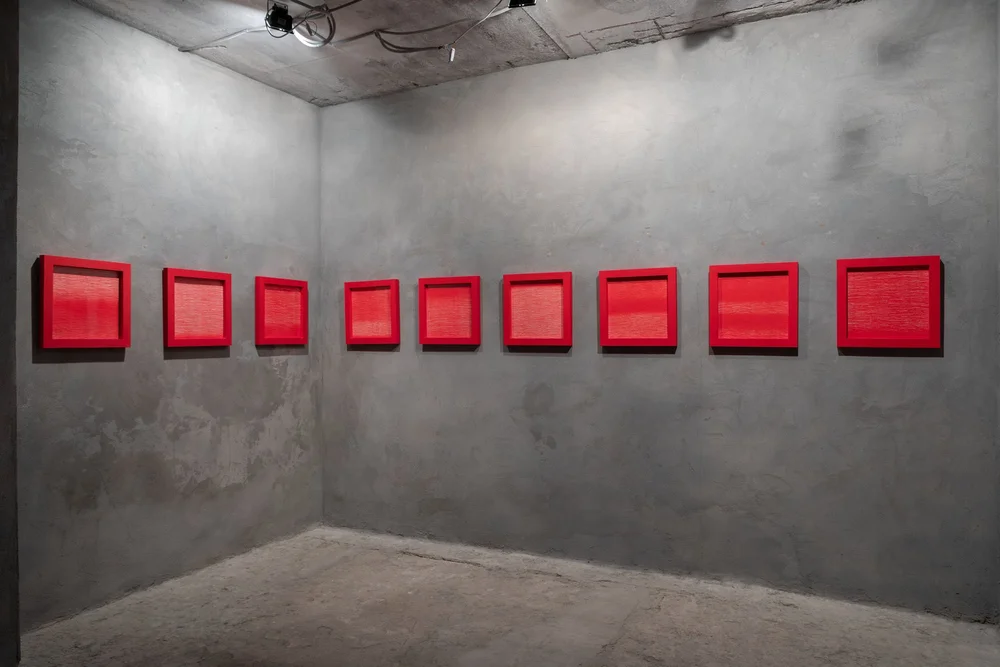
Also a significant project of Babak is “Necropolis”, which was first presented in 1991 and has been exhibited repeatedly since then. This is a series of paintings about the disappeared village of Lakiv, which became a reflection of the “dead” Ukrainian village, which, however, continues to inspire and nourish art. The project symbolizes the collapse of Soviet collectivization, which destroyed villages and their inhabitants.
Exposition of the exhibition of Alexander Babak “30 years later — the Necropolis project”, 2021. Gallery “RedBlack”.
.webp)
.webp)
.webp)
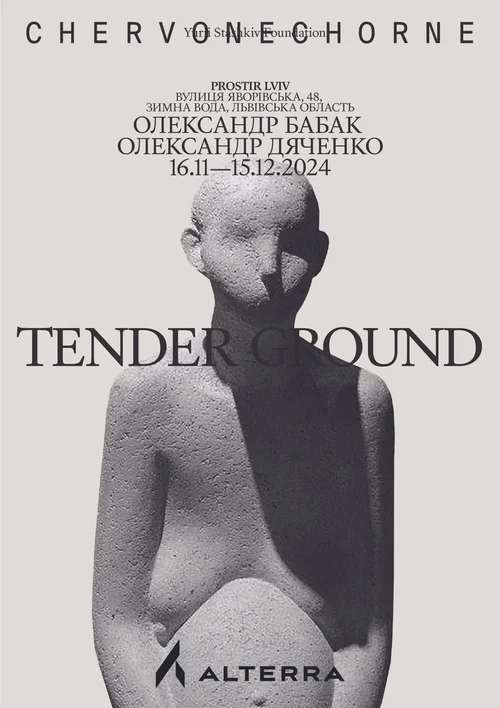


Kaniv entered the life of Alexander Babak as an integral part of the academic curriculum. It was here that the students of the Kyiv State Art Institute, founded in 1930 by its then rector, held their summer practice...
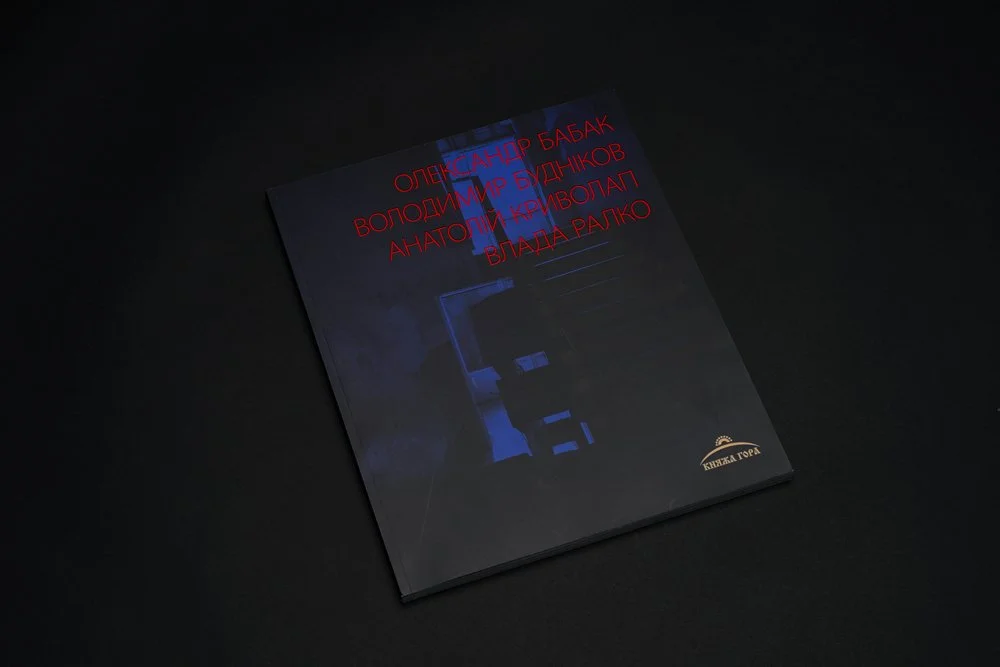
There are places where the past never disappears forever, where time refines and penetrates into space, where the landscape created by nature and generations...
.webp)
To see salvation where it is not usually sought, namely in the wilderness (in silence), determined the project of Volodymyr Budnikova and Vlada Ralko called “Shelter”...
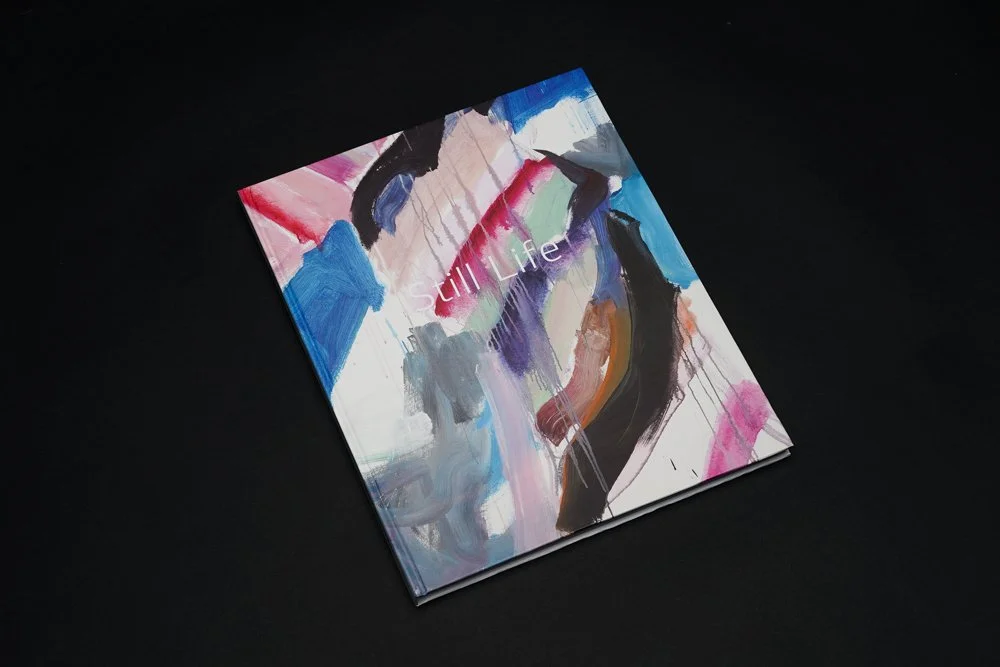
The artistic platform CherChorne published the book “Still Life”, which became a document of the great artistic project of the same name by Alexander Babak. “Still Life” is the result of the artist's reflections on global concepts of life, war, creativity. Through beauty research...e
.svg)