%201.jpg)
Oleksandr Dyachenko
Ukrainian sculptor
Bornin 1956 in Kyiv, Ukraine.
Lives and worksin Kiev and Lviv.
Bornin 1956 in Kyiv, Ukraine.
Lives and worksin Kiev and Lviv.
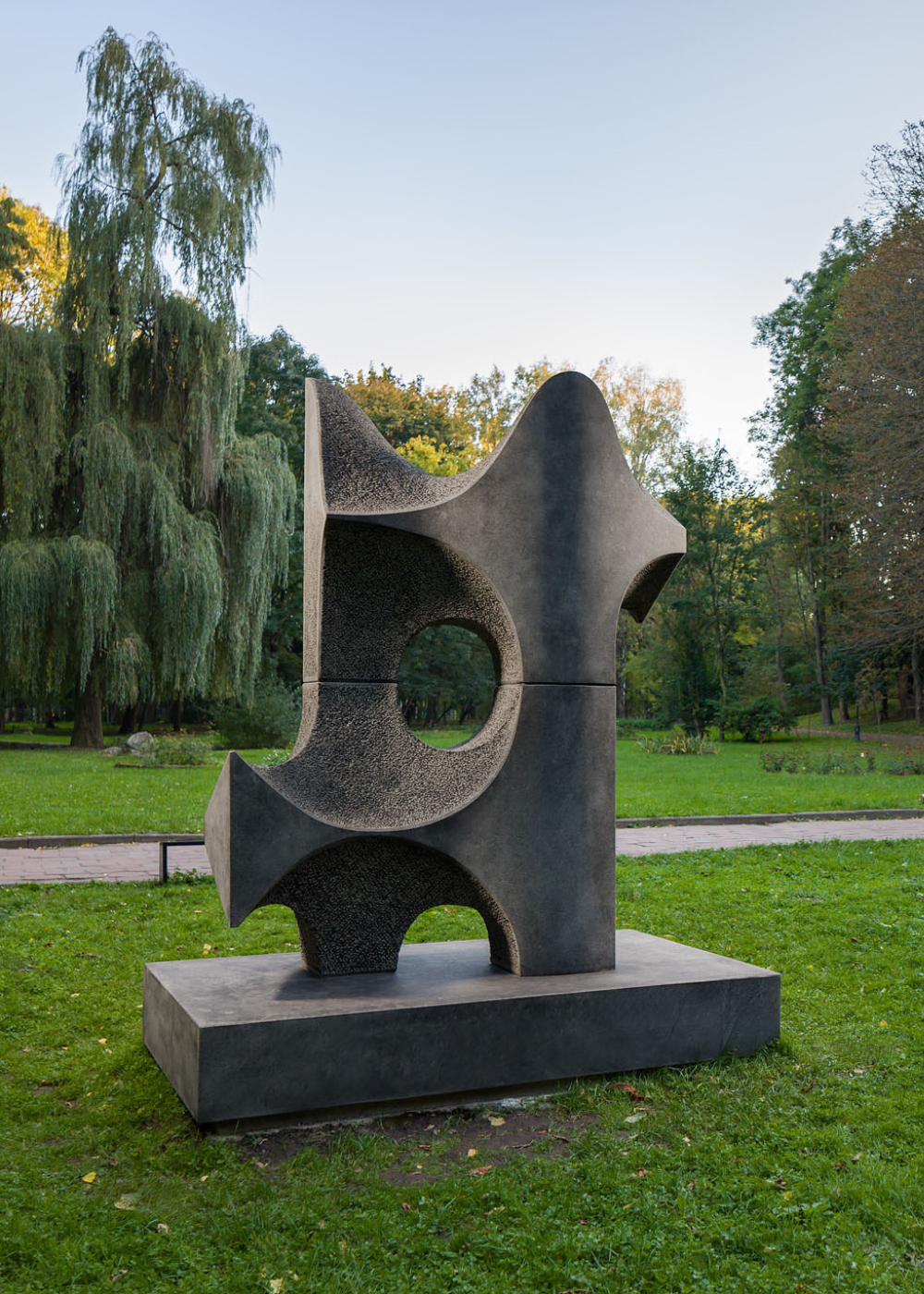
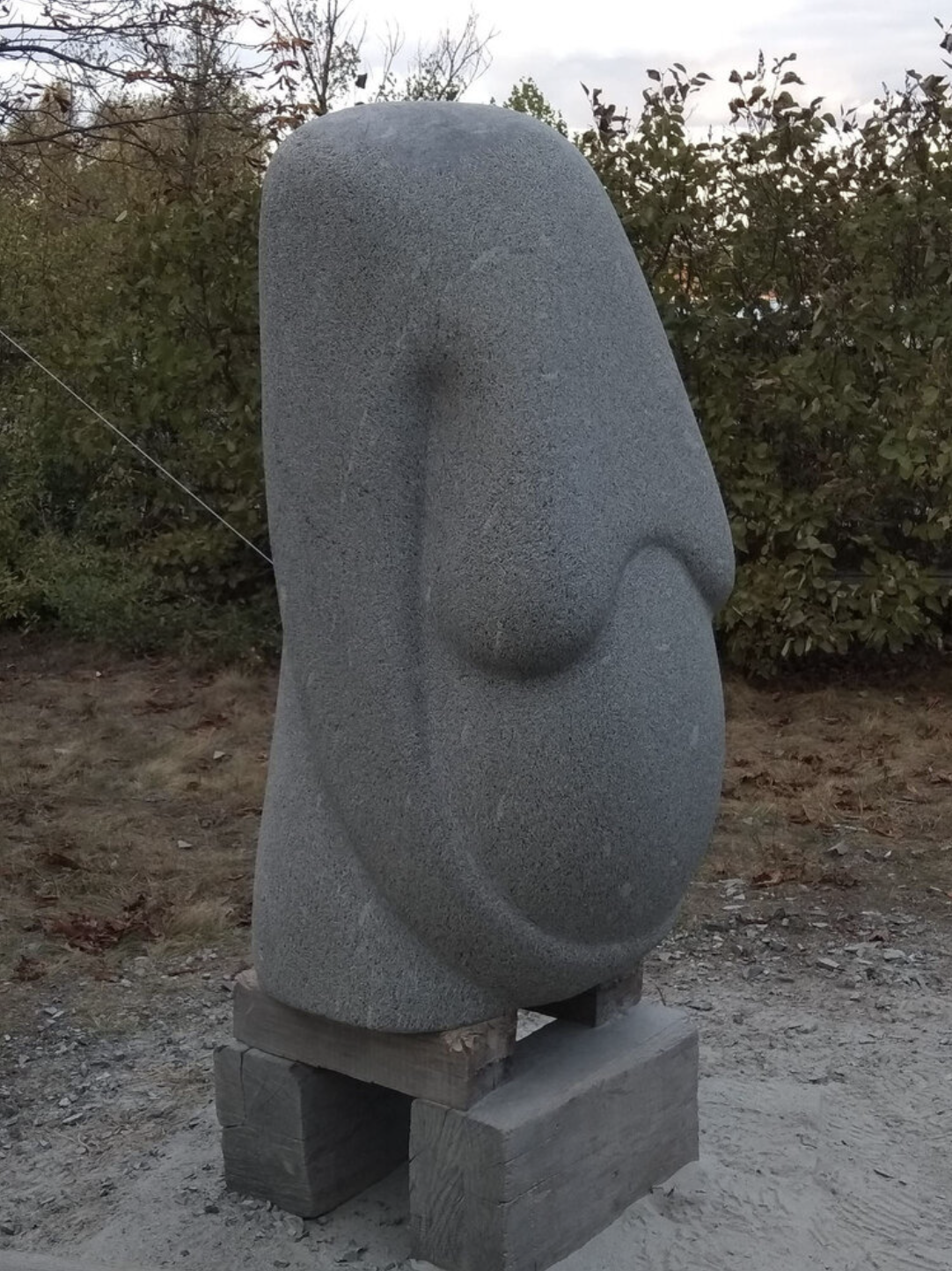
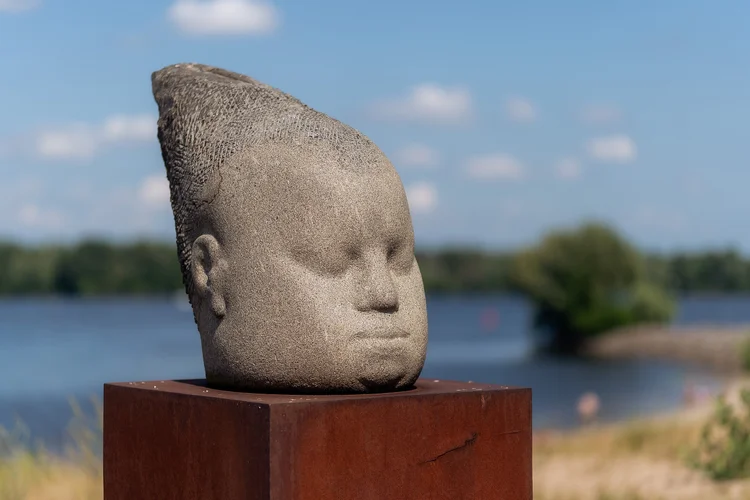
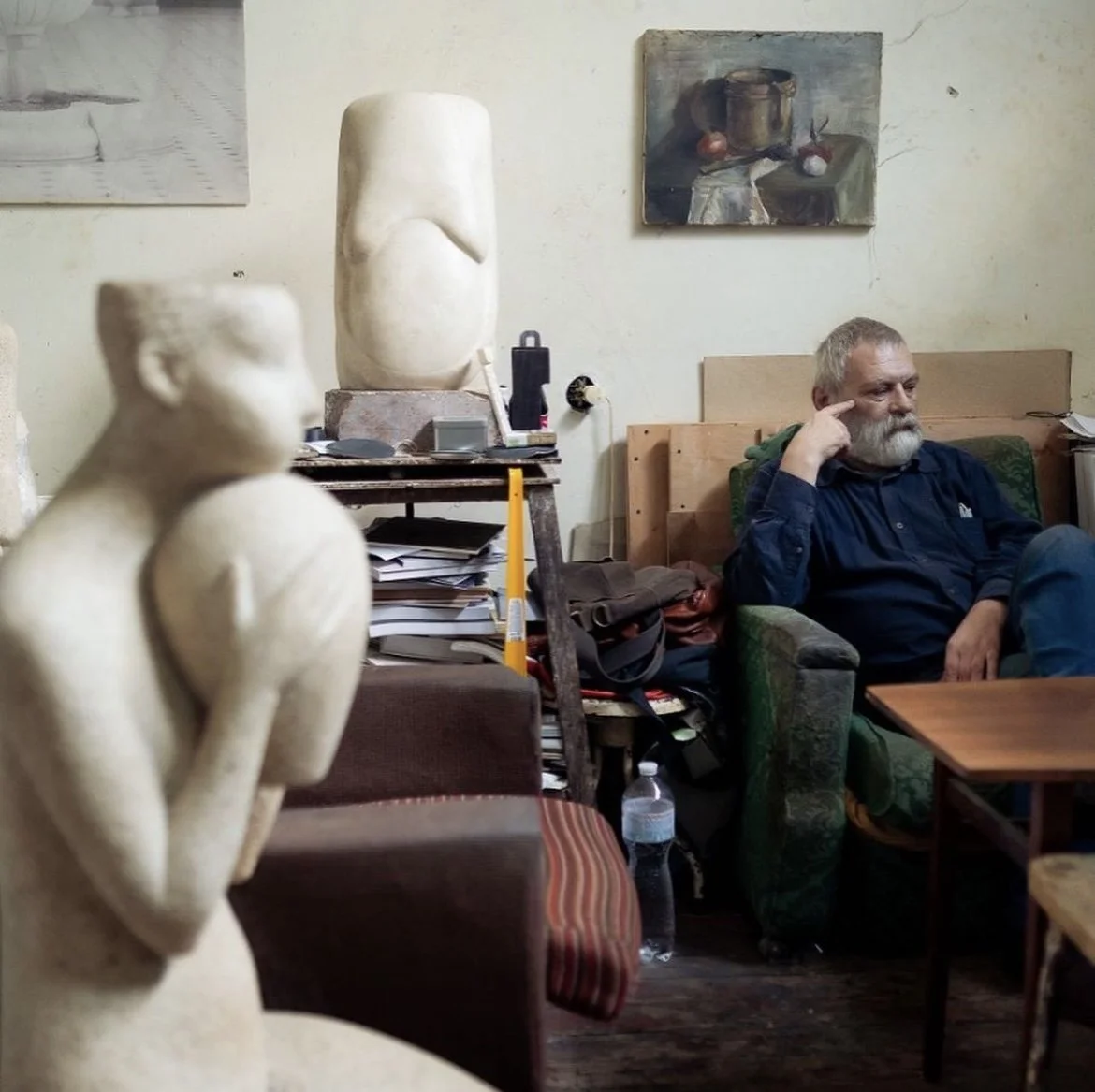
From his student years Oleksandr Dyachenko was interested in the images of Ukrainian archaic, which were reflected in his works. Dyachenko's artistic style is based on the cultural codes of Cimmerian, Scythian and Polovets sculptures, complemented by elements of Egyptian art and early ancient plastic. This contributed to the formation of his recognizable, minimalist and at the same time profound artistic language. At the heart of his work is a stone, which for him is the embodiment of the permanence and durability of art. Dyachenko believes that sculpture as an art form with the longest “life cycle” should carry positive energy. Therefore, his works radiate inner harmony, tranquility and a sense of outer space that goes beyond the form in which it is embodied, creating a special atmosphere around each sculpture.
Oleksandr Dyachenko was born on January 10, 1956 in Kiev.
Initially, he studied painting at the Republican Art High School (RCSU), but in high school he realized that he was more interested in sculpting, so he switched to the appropriate department. Usually, after the RCSU, they entered the Kyiv Art Institute (now the National Academy of Fine Arts and Architecture), but Diachenko went to the Lviv Institute of Decorative and Applied Arts (now Lviv National Academy of Arts). The main reason for this decision was the change of leadership and the strengthening of the fight against formalism in the KHI. According to Diachenko, if in Kiev they could be expelled from the institute for experiments, then in Lviv it is possible to deprive the scholarship at most.
Alexander planned to enter the faculty of ceramics, but due to lack of points, he went to design. He now believes that for sculptors, an architecture course is a necessity, because many technical points from architecture and principles of sustainability of certain materials come in handy. For example, Diachenko was able to make the first large ceramic works atypically large-scale precisely thanks to architectural techniques. Visually it was a sculpture, but inside under the clay were located real vaults and counterforces, as in Gothic temples.
In addition to architectural skills, the Lviv school gave Dyachenko a plastic language that differed from the more realistic Kiev tradition. Subsequently, when Alexander returned to the capital, the Soviet art councils did not even accept his projects because of their excessive "декоративність". Among the people who influenced Diachenko during his Lviv period, he notes Minion Flit and Yuriy Mysko — the sculptor spent a lot of time in their workshops.
Among the creative issues that interested Diachenko since he was a student, there are images of Ukrainian archaic. The artist was fascinated by Egyptian art and sculpture of early antiquity, but it was unclear — where are the Ukrainian counterparts? When Alexander discovered the collection of the Historical Museum named after him. Dmytro Yavornytsky in Dnipro with samples of Cimmerian, Scythian and Polovets sculptures saw what one can learn from and develop one's own style. So the theme of Ukrainian archaic took a prominent place in the work of the master.
After the completion of the institute, the conditions for the sculptor's work were not very favorable: in the 1980s, there was no desire to constantly create works for Soviet purchases, and in the early 1990s they disappeared. So during this period, Dyachenko had to design books as a schedule and even process stones in the factory.
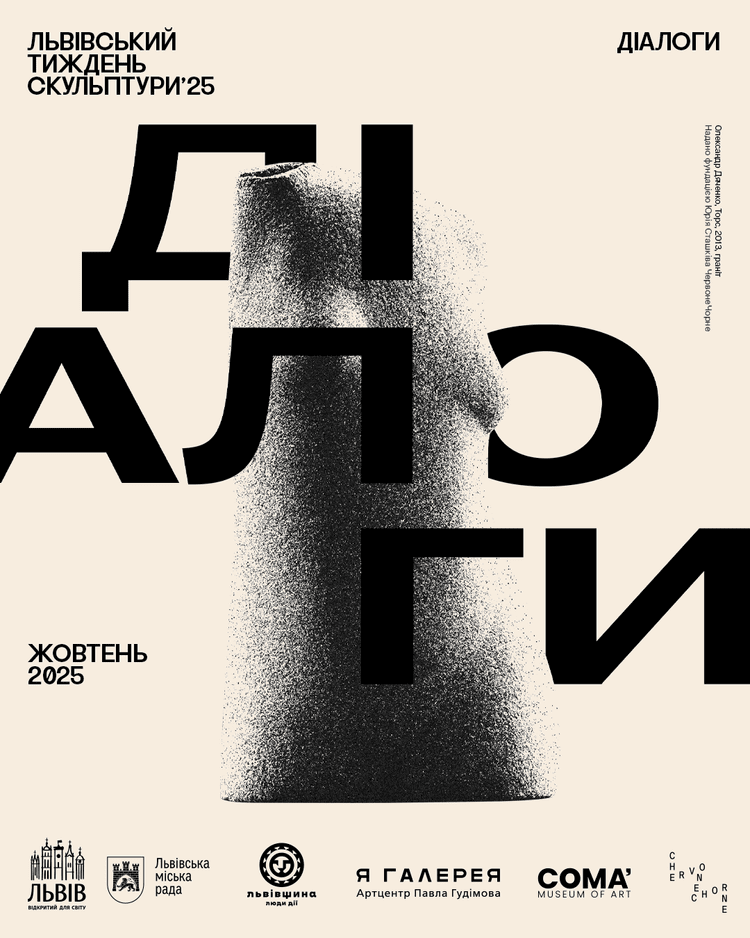
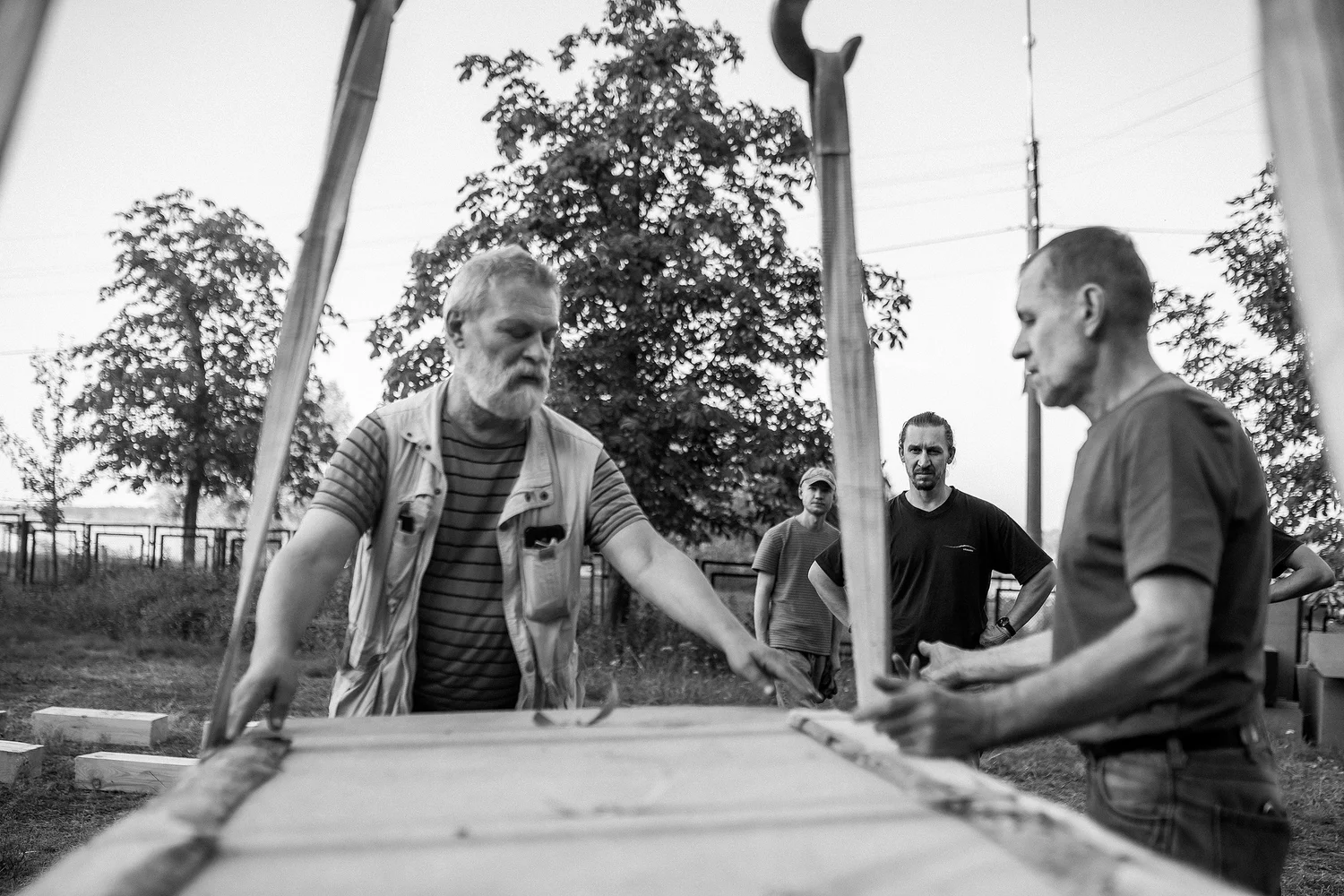
The situation for the artist changed when sculpture salons began to be held in Ukraine from the mid-2000s. At one of them, Dyachenko met Yuri Stashkiv, the founder of the KrasneChorne Foundation (then: the creative association “Chervonechorne”). Stashkiv invited Alexander to organize the Kanev International Sculpture Symposium — the artist agreed, and already in 2011 four sculptors from Ukraine and one from Germany came to Kanev. And in 2013, the number of foreign and Ukrainian participants equalized. For the past ten years, Diachenko has been a co-curator of the Kaniv Symposiums. Under the artist's curation, symposia took place annually until 2021. In total, 10 international symposia were realized in Kanev and several significant exhibitions in the gallery of the “Chervonechorne” foundation.
Most often works with stones. He believes that since sculpture lives the longest of the arts, it is impossible to transmit negative energy through it — this is a taboo that Diachenko set for himself.
“Якщо in some period I could not accumulate positive energy, so I just do not take up sculpting”
— Oleksandr Dyachenko
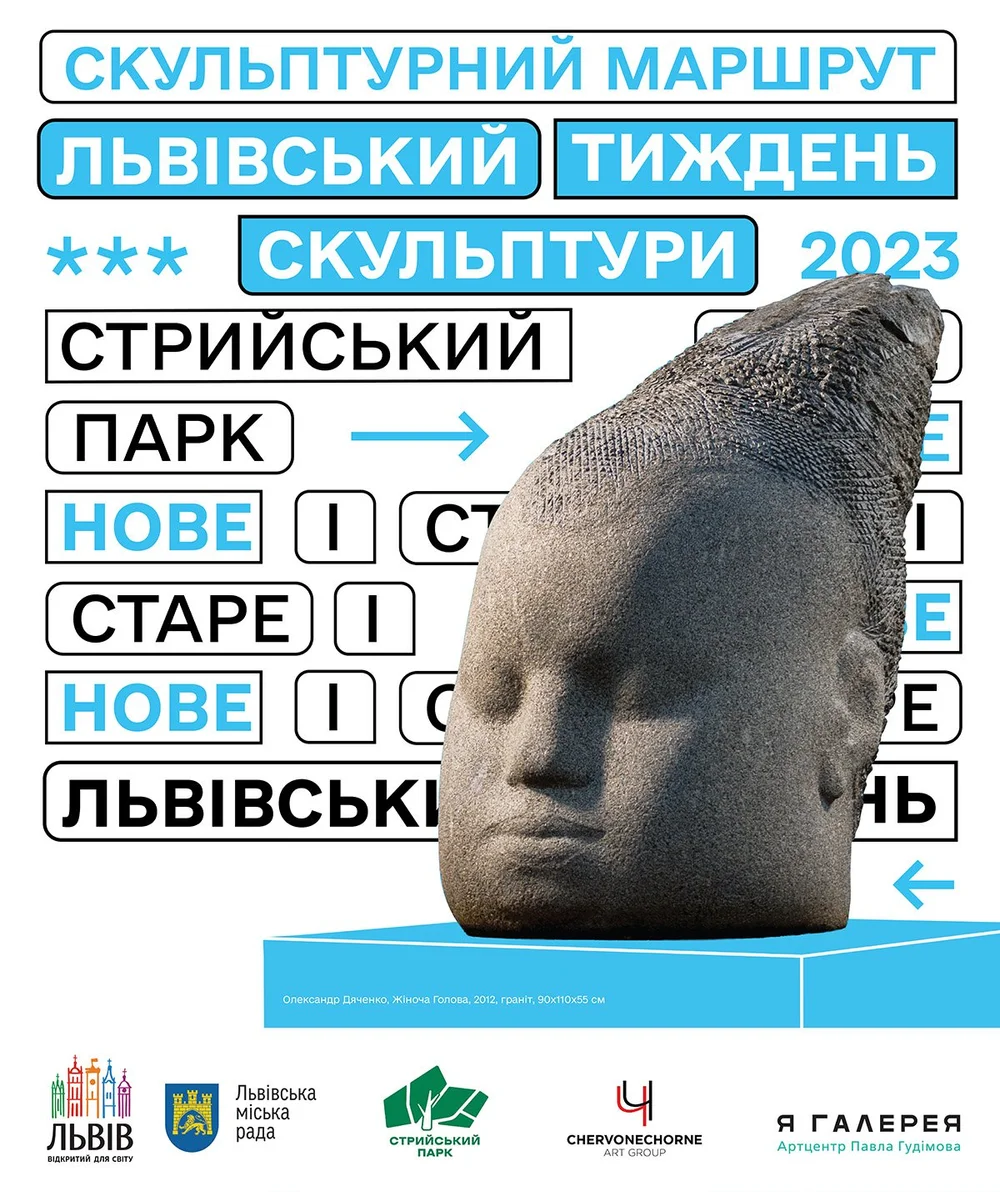
With the beginning of the full-scale invasion of Russia on the territory of Ukraine, the artist lives and works in Germany. However, the artist's extensive works, a large part of which is in the “Red and Black” collection, continue to be exhibited and shape the Ukrainian contemporary artistic context. It is noteworthy that almost all of the artist's works from the CHC collection are in the public domain, namely in the Kaniv Sculpture Park and the Stryisky Park of Lviv.
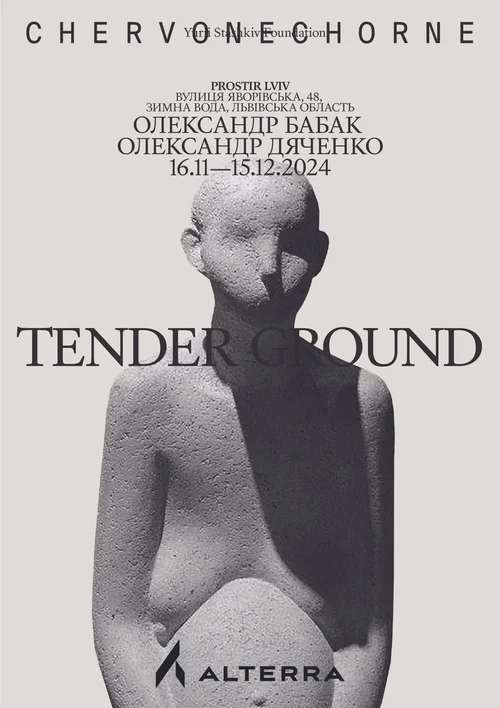
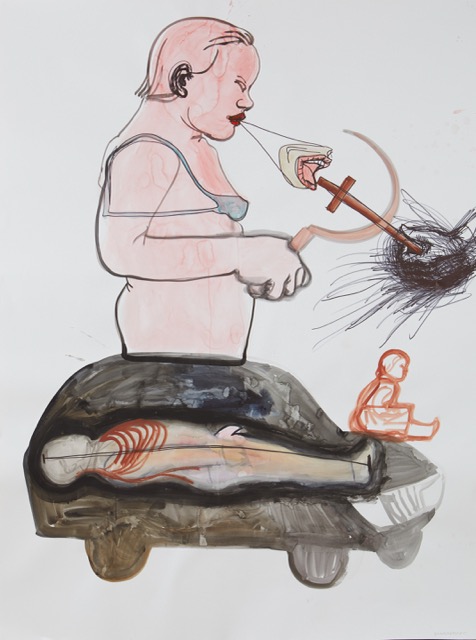
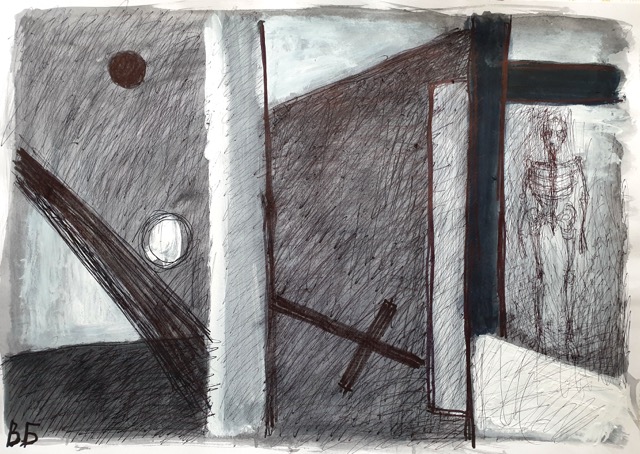
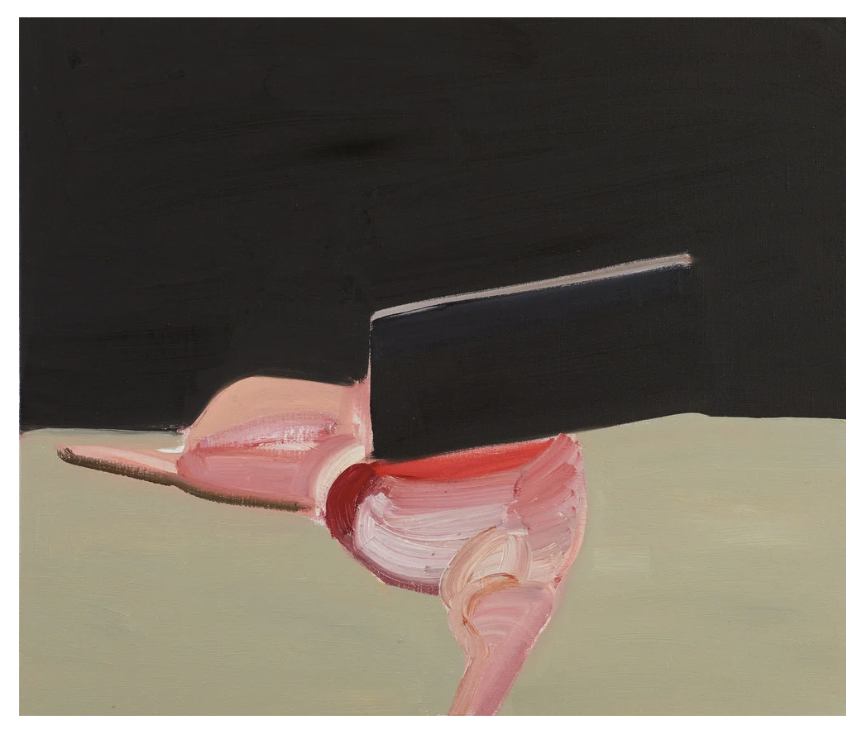
On November 16, 2024, the TENDER GROUND exhibition opens, where most of the works of Alexander Diachenko will be presented. Special attention should be paid to the author's large ceramic sculptures, which have not been exhibited for more than 10 years. This exhibition will feature works by another prominent artist Oleksandra Babaka. The duo of artists is not an accident, because their creative pursuits and thematic interests intersect in the study of historical anthropology and topographic features of the Ukrainian landscape, which directly affects the artistic image of their works.
Sculptures in public space:
Kaniv Sculpture Park
(Yuri Stashkov Foundation “RedBlack”) 2011 - 2021
Sculptural route in Stryisky Park
(foundation Yuriy Stashkiv “KrasneChorne”) 2023
Mother and child (limestone), Vyshgorod, Ukraine. 2008
Woman on a throne (limestone), Sedniv, Ukraine. 2008
Steppe plastic (sandstone), Svyatogorsk, Ukraine. 2007
Unnamed (limestone), Donetsk, Ukraine. 2006
Sidyacha (limestone), Gurzuf, Ukraine. 2005
Tors (limestone), o. Brač, Croatia. 2005
Breeze (limestone), o. Brač, Croatia. 2004
Geometric composition (sandstone), Oleskyi Zamok, Lviv region, Ukraine. 1996
Plastic sketch on the theme of Ukrainian archaic (marble), Kyiv. 1994
Tron (sandstone), Horlivka, Ukraine. 1992
Female figure (granite), Mykolaiv, Ukraine. 1992
Rest by the sea (sandstone), Odessa, Ukraine. 1988
Cocoon (sandstone), Kiev. 1988
Girl (sandman), Yampil, Ukraine. 1987
Girl with a turtle (tree), Trostyanets, Ukraine. 1986
Monumental works:
Monument to Blessed Father Omelyan Kovch, priest of the UGCC. Architect - Marta Diachenko. Maidanek Martyrs Road in Lublin (Poland) (2021)
Memorial monument to Academician M. Amosov (together with P.Antip), Baikove cemetery, Kyiv (2003)
Fountain in the National Bank of Ukraine, Kyiv (1995)
Sculpture Return of the Prodigal Son, Lviv, 1992
Monument to the victims of the Holocaust, Kryve Ozero, Mykolaiv region, Ukraine (1992)
Sculptural composition Wall, Kharkiv, 1990
Prizes:
1st prize for the project of a monument to the victims of the Holodomor in Washington, USA 2009Prize for the best exposition, Grand Sculpture Salon - 2009, Kyiv1st prize on the sculptural plenary for the work Return of the Prodigal Son, Lviv, 19921-th Prize in the Sculpture nomination Tour at the International Renaissance Festival, Lviv, 19913th prize at the All-Union Exhibition Youth of the Country, Moscow, 19883rd prize on the sculptural plenary for the work Rest by the Sea, Odessa, 1988
.webp)

.svg)