.webp)
Vlada Ralko
Ukrainian artist, curator and author
Bornin 1969 in Kyiv, Ukraine.
Lives and worksin Kiev and Berlin.
Bornin 1969 in Kyiv, Ukraine.
Lives and worksin Kiev and Berlin.
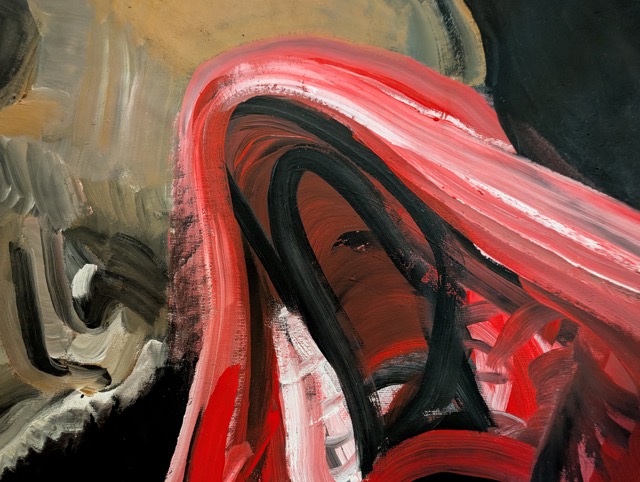
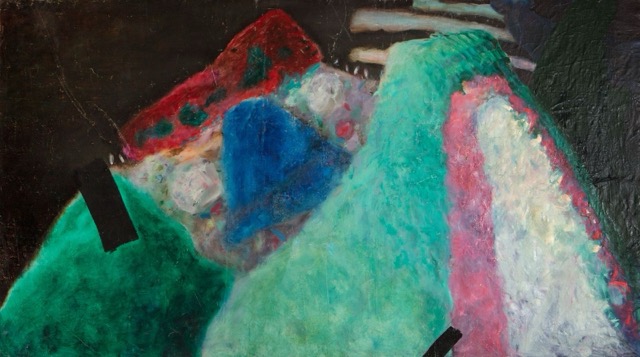
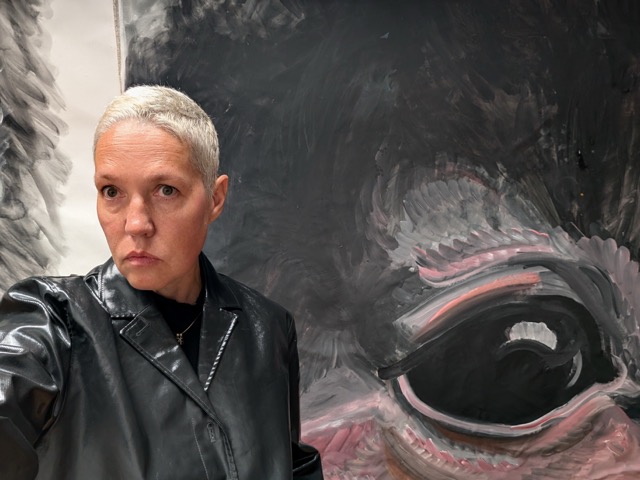
Vlada Ralko— Ukrainian artist, curator and author. Her artistic practices encompass painting, graphics, objects, and performance. She was born in Kyiv in 1969. In 1987, she graduated from the Republican Art High School named after her. VOL. G. Shevchenko, and in 1994 — the National Academy of Fine Arts and Architecture, where she studied in the workshop of Professor Viktor Shatalin.
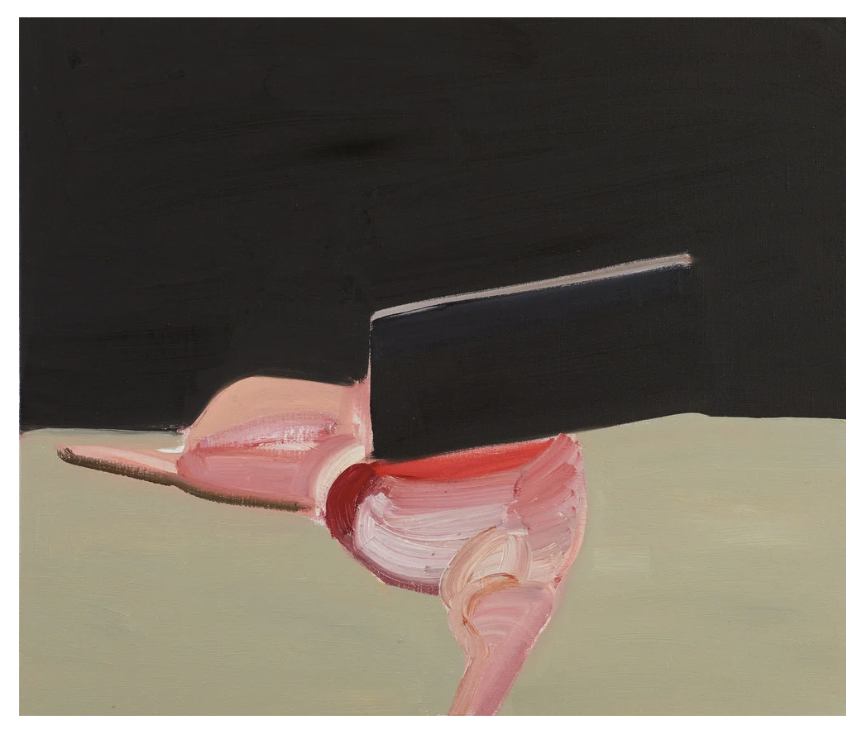
Ralko's student years coincided with the breakdown of the Soviet totalitarian system, when the academic environment, still wrapped in the framework of the Soviet regime, was in an inert state. At the Faculty of Painting, the basis of teaching remained the social realist method, but despite this, the artist mastered various techniques working in the workshops of the academy in her spare time. Her thesis — a series of paintings inspired by Italian metaphysical artists Giorgio de Chirico and Giorgio Morandi — was not presented in the walls of the academy, as was customary, but in the first solo exhibition of the graduate.
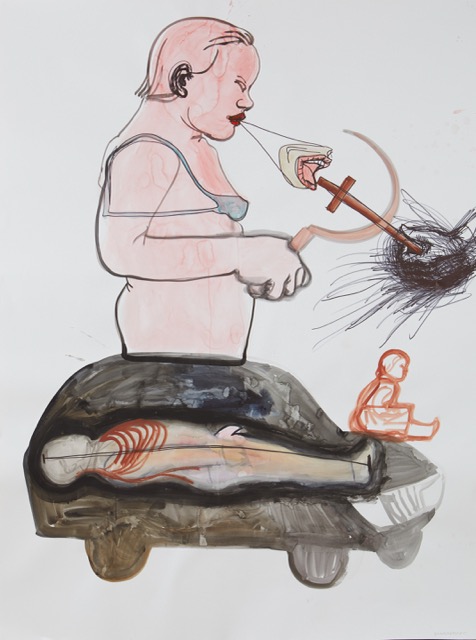
The central theme of Vlada Ralko's work is man and his way of existence within the system. What does it mean to be human? What exactly distinguishes man from the rest of the living world? It seeks to reveal the true human essence, freed from layers of “obvious” truths and clichés. Through a close look at the everyday, it deconstructs a complex multi-layered political reality, revealing hidden power mechanisms, myths, ideologies, and repressive structures.
“For Ralko, art is not just a form of creativity, but its personal language, a way of analyzing, expressing thoughts, emotions and experiences”
— Marina Shcherbenko, curator, gallerist
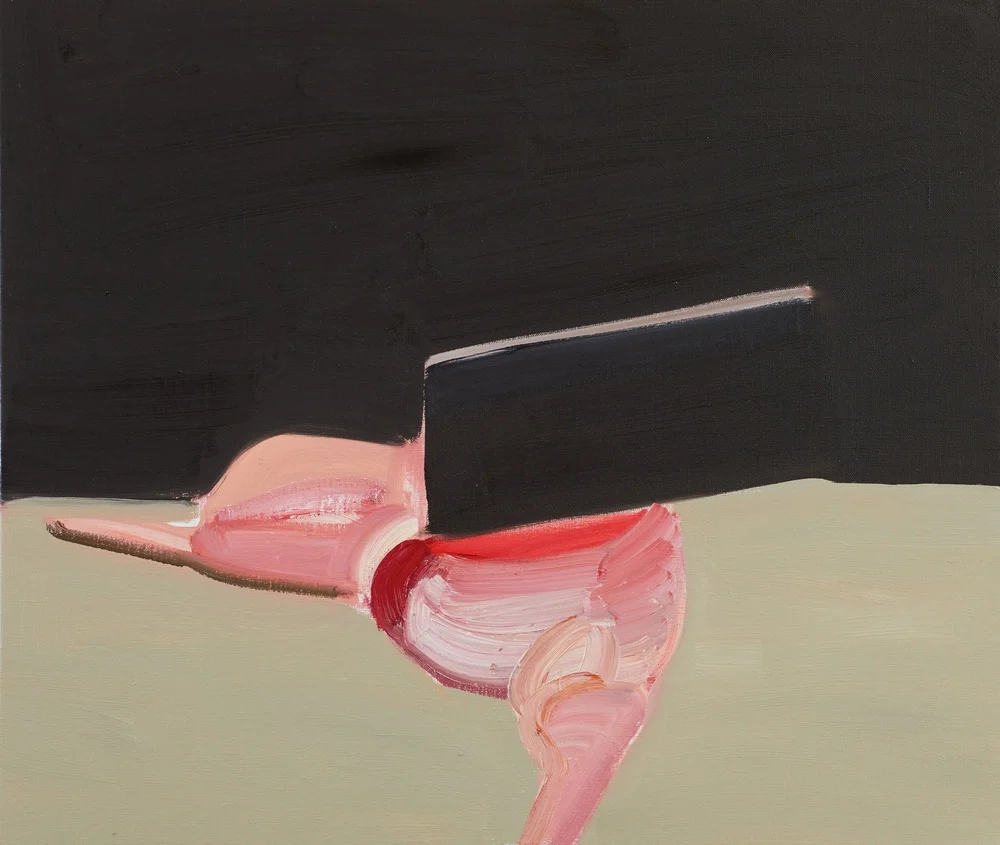
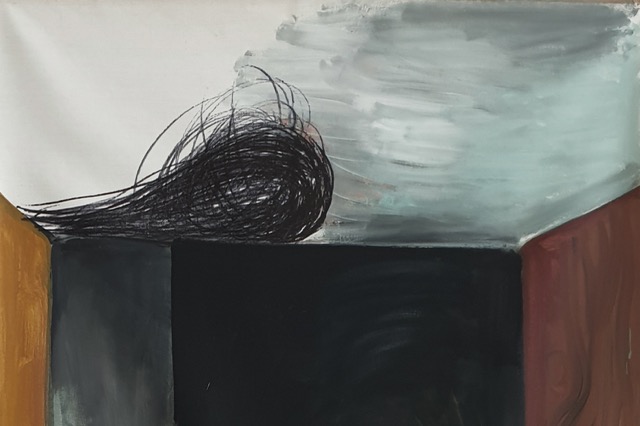
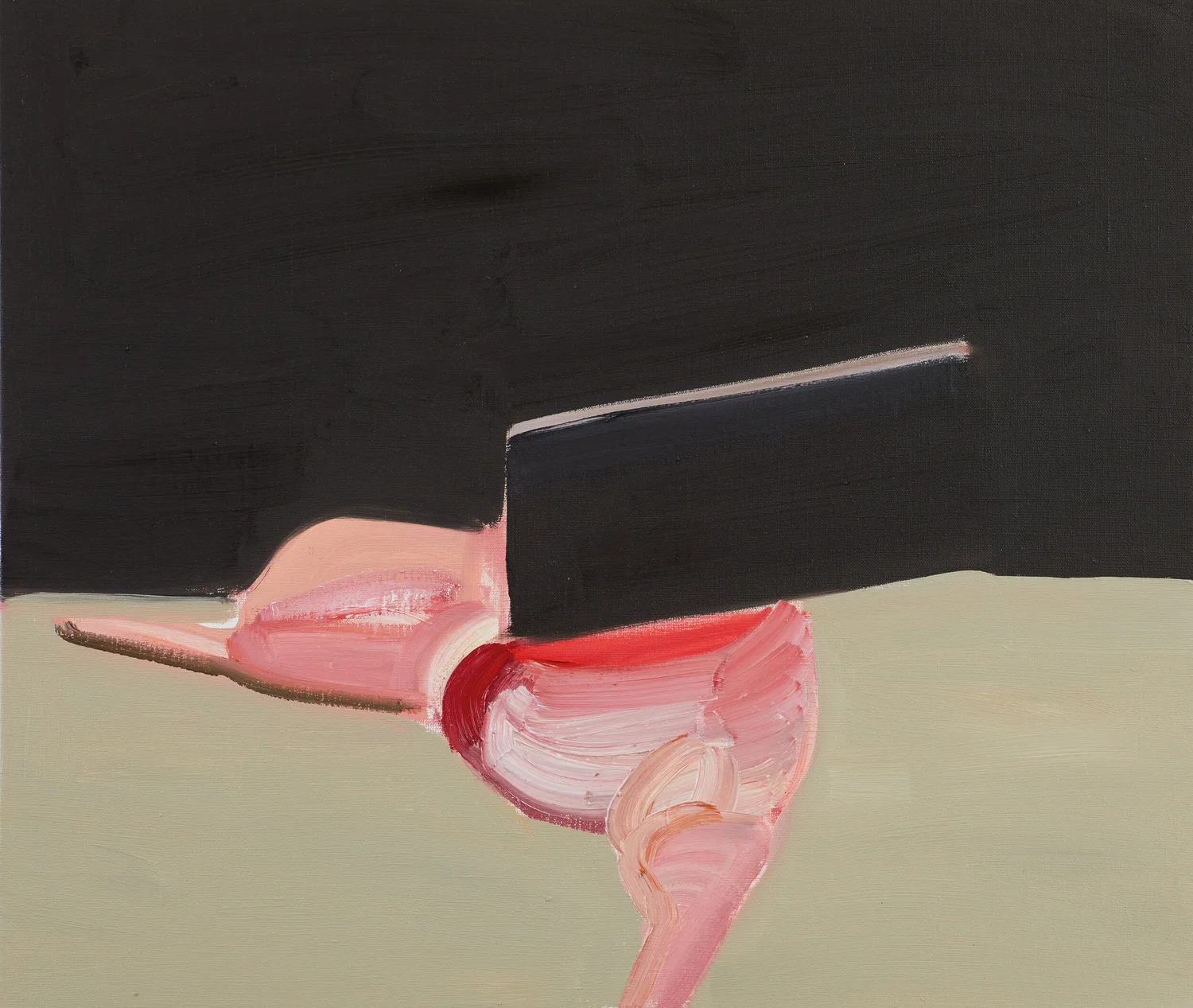
Seriality has become one of the key approaches of Ralco's artistic practice. The artist perceives it as the principle of “scattered gaze”, which she learned in the academic school of drawing from nature, where they taught to see the object in its entirety, avoiding excessive attention to individual details. In her own practice, Ralko redefined this principle: if in academia it served to convey nature more accurately, then in her series it became a way to keep in view the whole layer of experience, time and context. The body in her works is a political space of memory, trauma, vulnerability and transformation.
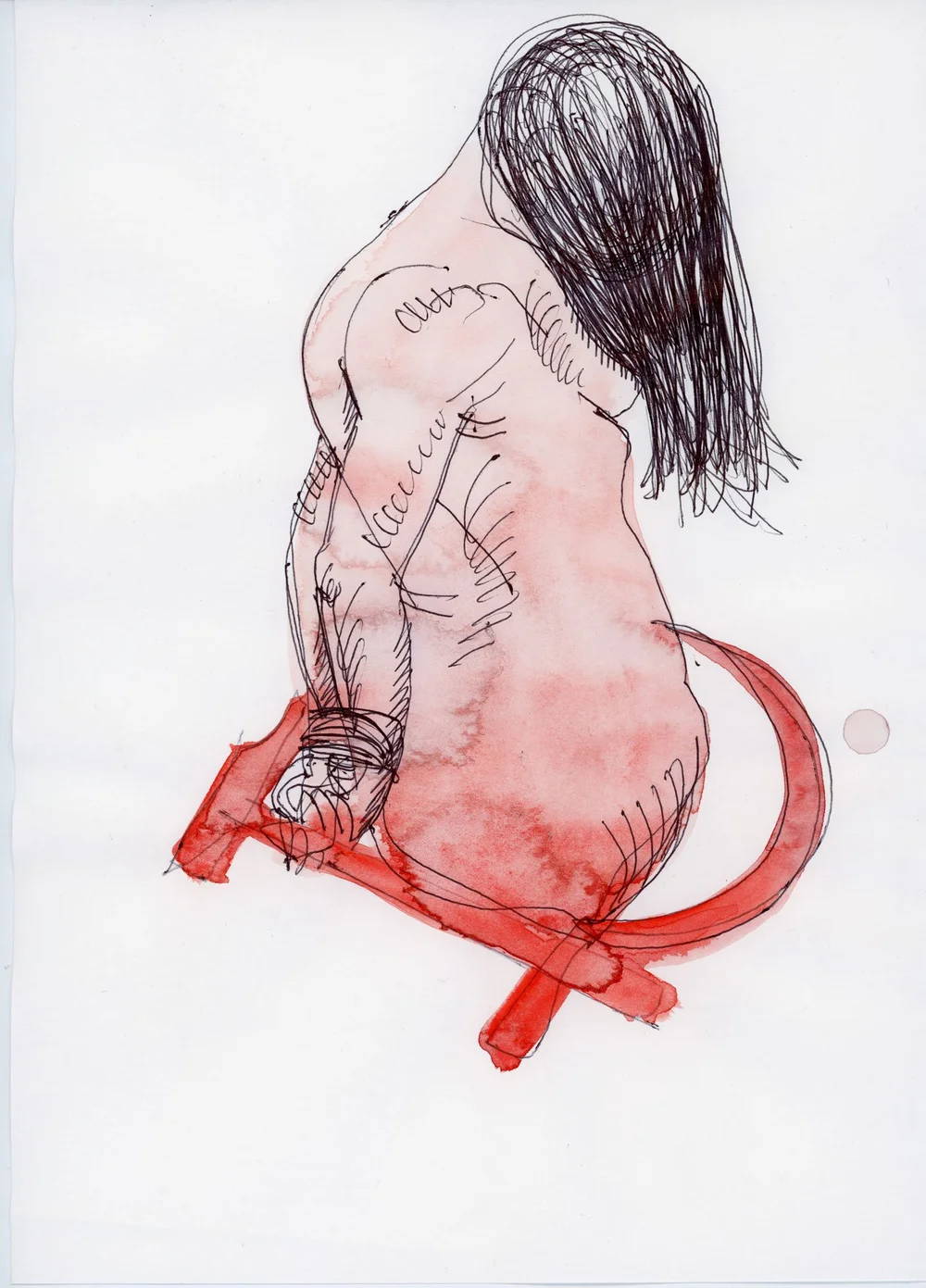
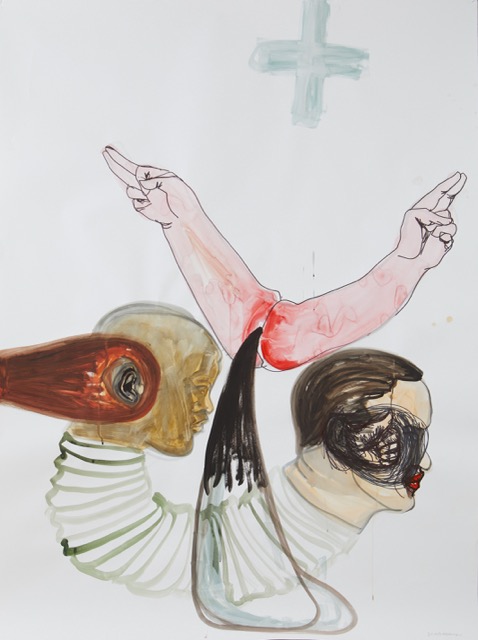
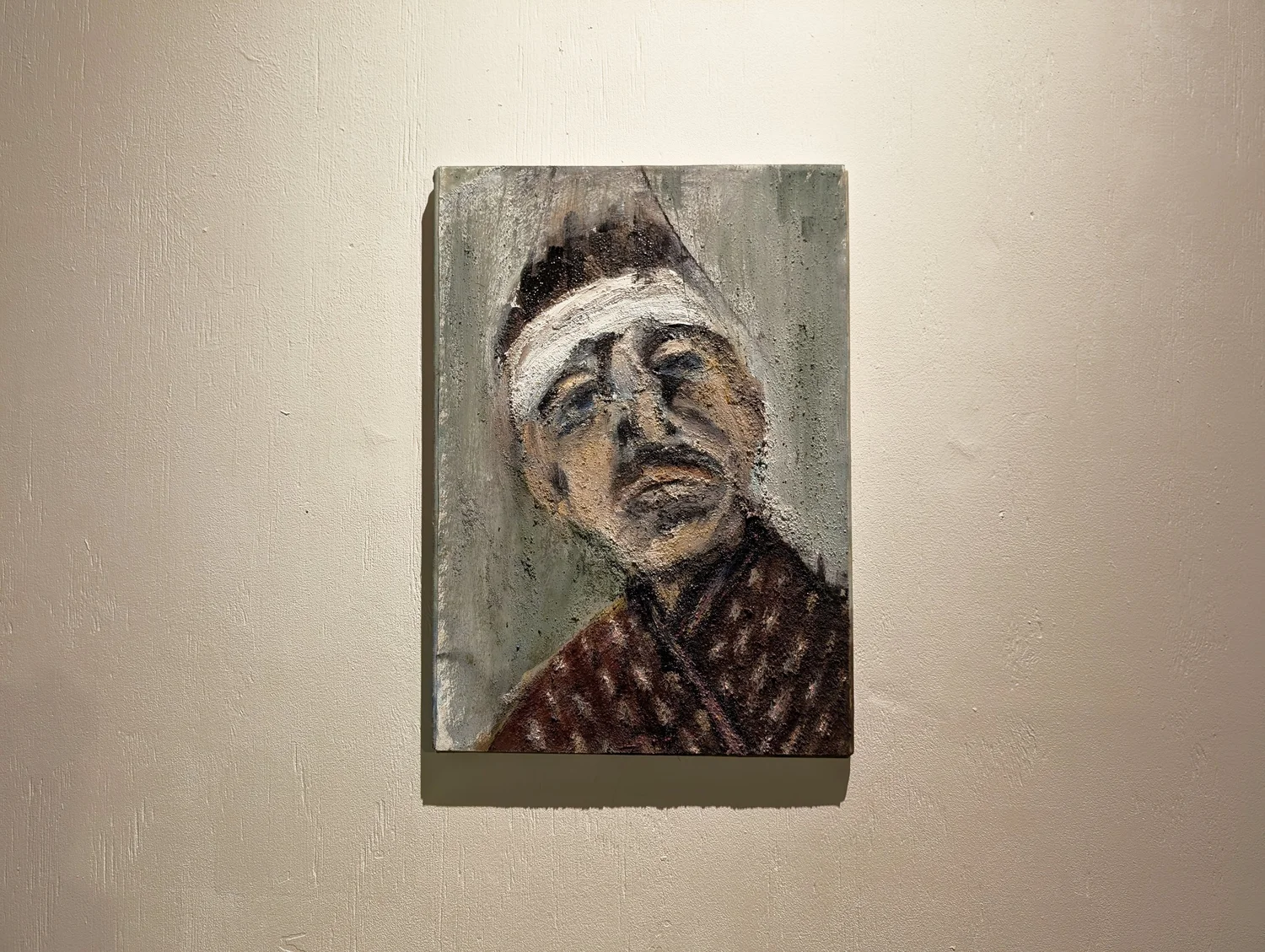
During the Revolution of Dignity and the beginning of the Russian war against Ukraine, Ralko creates his iconic series “Kyiv Diary” (2013—2015), in which he reflects on the revolutionary events and the beginning of the war, drawing on facts, visual materials of the mass media and news reports. The artist transfers them to diary sketches with a ballpoint pen and watercolor, transmitting the tension of the time. Visual images do not serve as illustrations, but convey the sensations of the artist, representing the psychologisms that circulate in the collective subconscious. With the beginning of the Russian war, the fragmentation of the body, which the artist depicted metaphorically, became a reality due to the bodily injuries of civilians and the military today. Thus, according to Ralco, reality invades art with extreme intensity, forcing to rethink the means of expression.
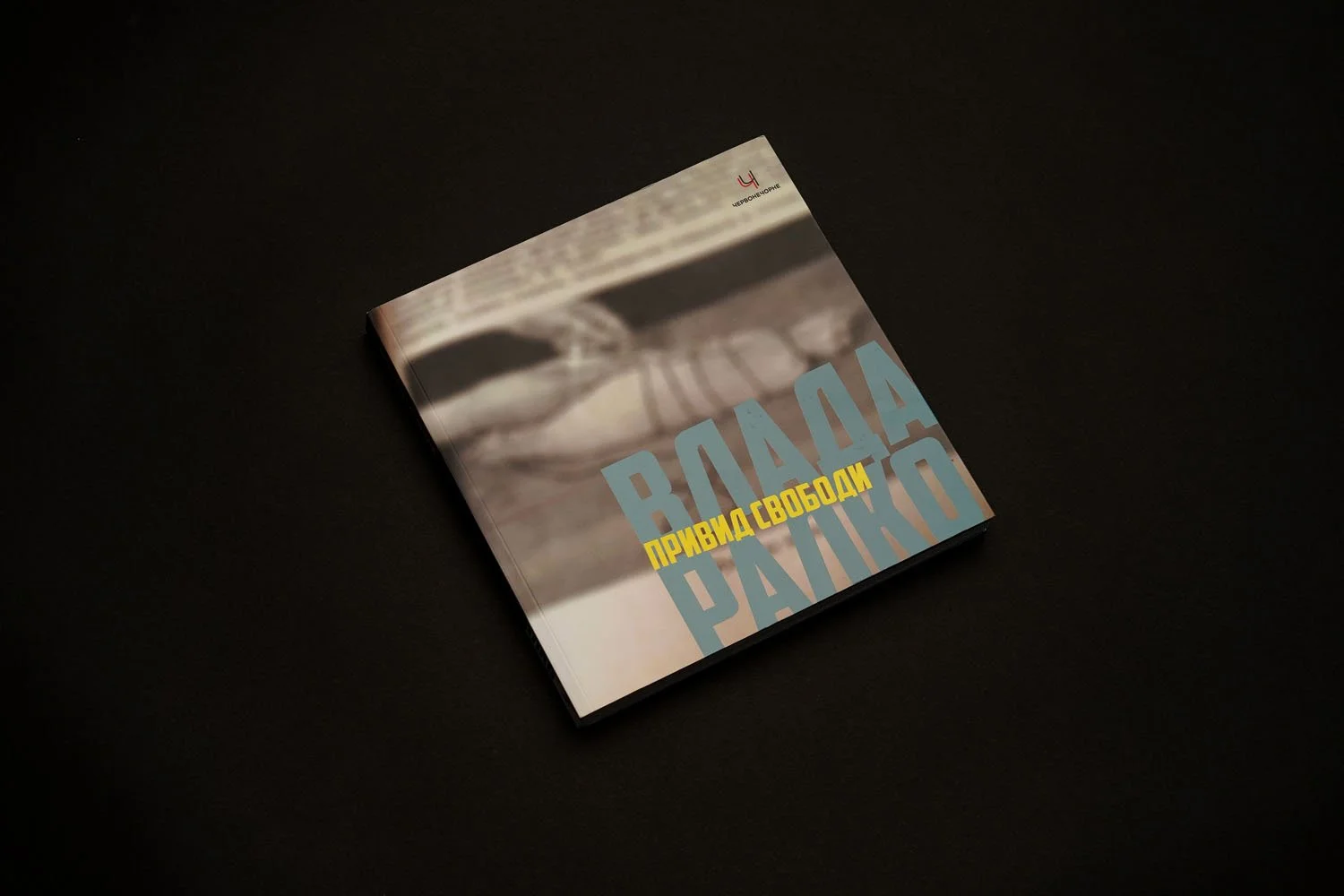
The artist considers culture as a form of political existence, and art as a language within culture. An important direction of her activity is the comprehension of her own works through text and essayism. Since 2014, numerous series and collaborations created within the Kaniv art residence “Chervone Chorne” have been accompanied by special book editions. They combine author's texts, interviews, essays and comments from art critics. These books detail the context of the creation of works, the specifics of the time, societal challenges, and also contain reproductions, photos from the workshop, and conversations with artists about the role of art in society and the means of artistic language.
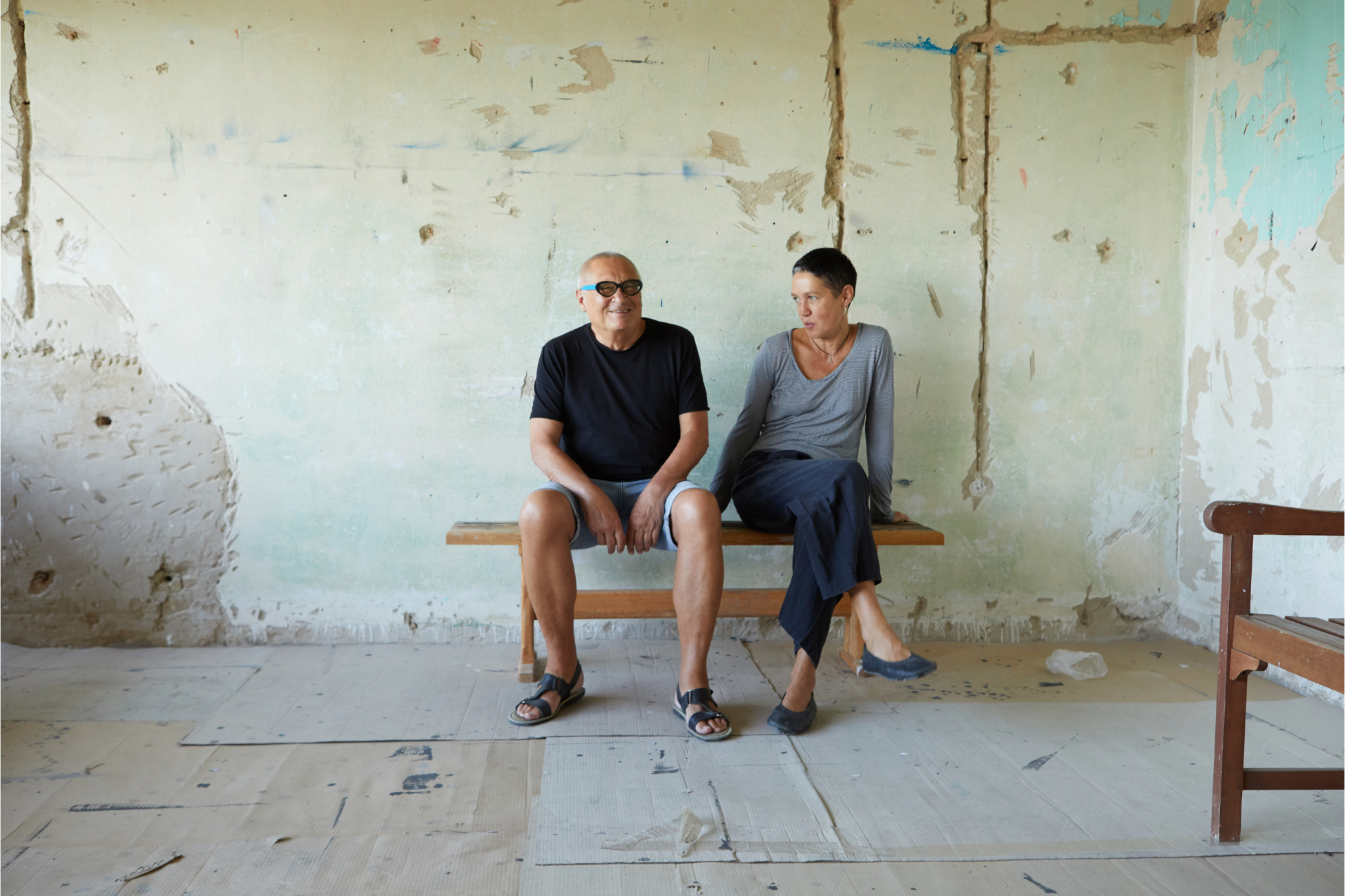
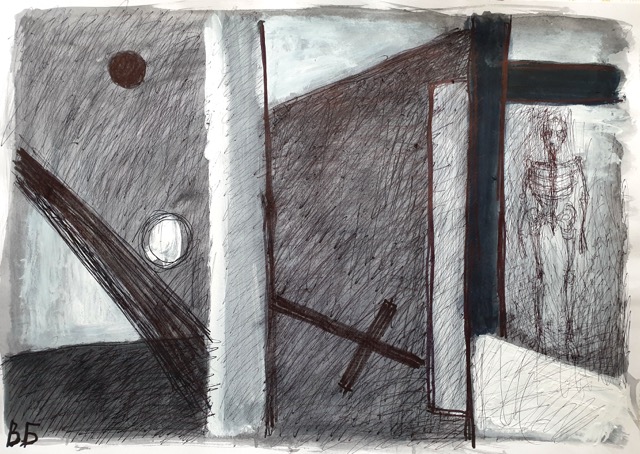
One of the important dimensions of Vlada Ralko's artistic activity is the long-term cooperation and creative dialogue with the artist Vladimir Budnikov. Most of the joint projects were created within the Kaniv residence Krasnoe Chorne, in particular the three-year cycle “Three Steps”, which included the series “The Poet's Priest” (2014), “Shelter” (2015) and “The Line of Distinction” (2016). The main context of these stages of work side by side is the consistent comprehension of military reality and the totalitarian past.
In 2022, due to the shelling of Kiev, Vlada Ralko together with Vladimir Budnikov left their hometown and moved to Lviv. Here, Ralko begins a new series “Lviv Diary”, work on which continues to this day. This series was a way out of the shock state of numbness caused by the full-scale Russian invasion, and at the same time an expression of the conviction that the language of art is not just a means of self-expression, but an instrument of confrontation and comprehension of reality. Works from this series were presented in Germany and Poland as part of a joint exhibition with Volodymyr Budnikov “Political Anatomy” (2022).
In the same year, the artists move to Berlin and thus mark their new space — the residence a_brücke. This place became the starting point of their acquaintance with the city, which, like Kiev, suffered the ravages of war, the trauma of totalitarian regimes and the influence of Russian imperialism. For Ralco, this parallel opens up the potential for conversation on topics that for years were considered resolved, uncomfortable, taboo or dangerous, but are gaining sharpness again today.
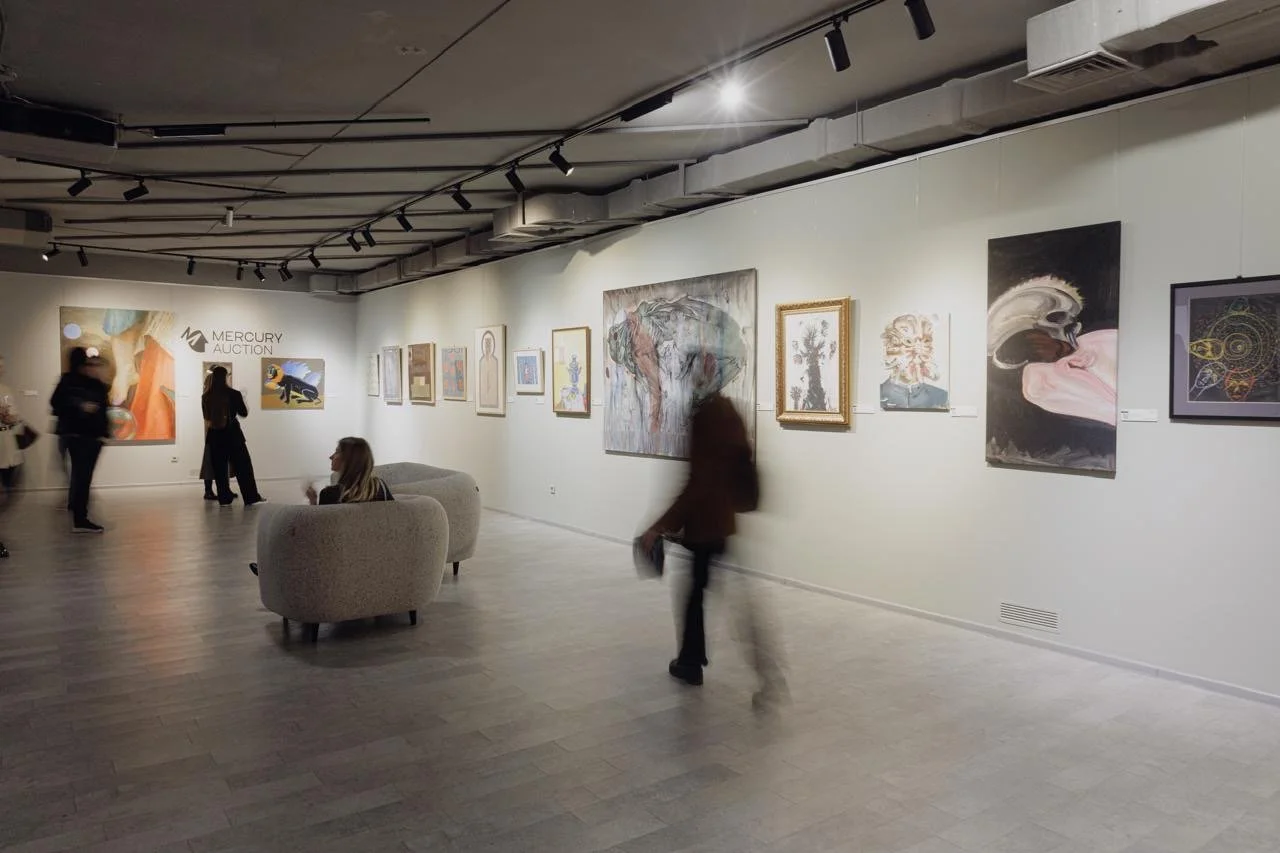
In 2023, the first curatorial project of Vlada Ralko “Face of the Eye” took place in Berlin. The curator builds a multi-voiced dialogue between the works of Ukrainian and German artists, considering the war not only the Russian-Ukrainian war, but also refers to post-war Germany and the Cold War. The exhibition becomes a space of mutual listening and reflection, where artists and visitors reflect on the experiences of violence, the horrors of violence and the complex processes of post-war reconstruction.

.webp)
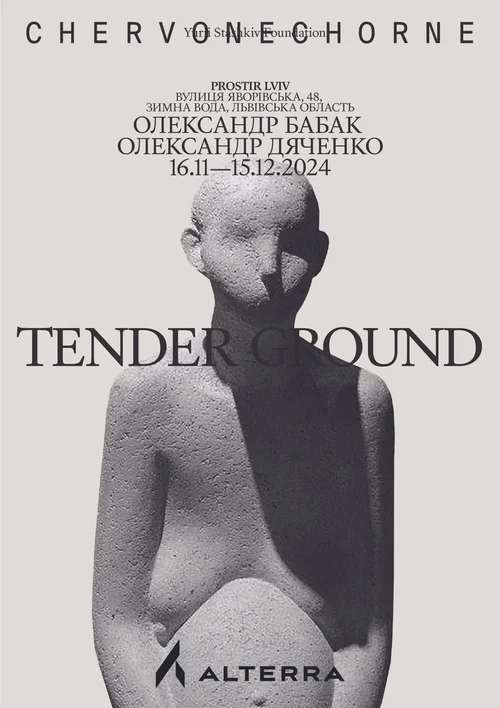
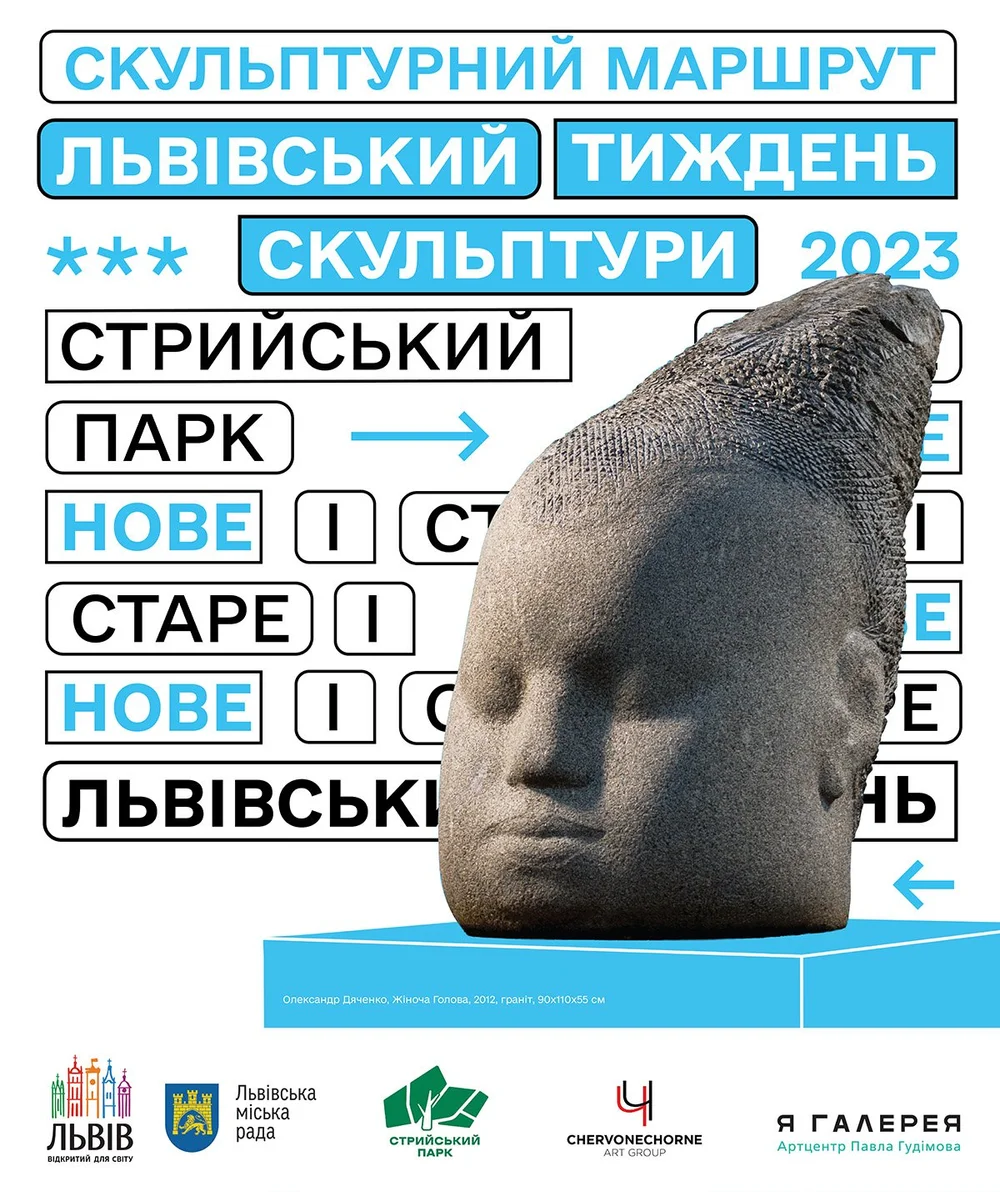

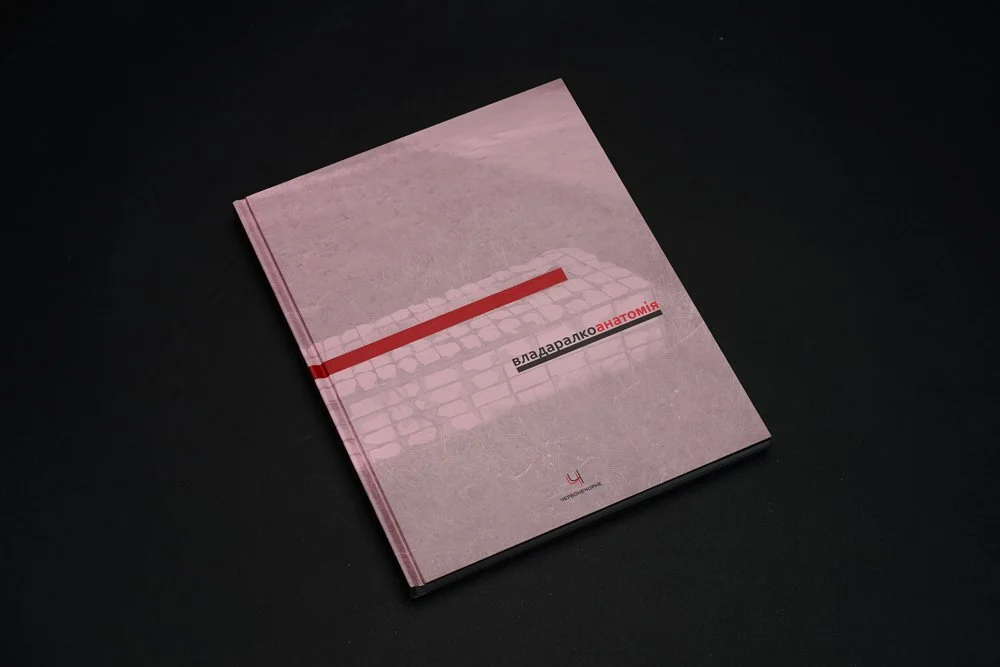
The post-Soviet reality was in fact little different and different from that of being inside the Soviet era. Back in the 90s, Vlada Ralko thought of comparing our territory with a reserve, when in order to survive...
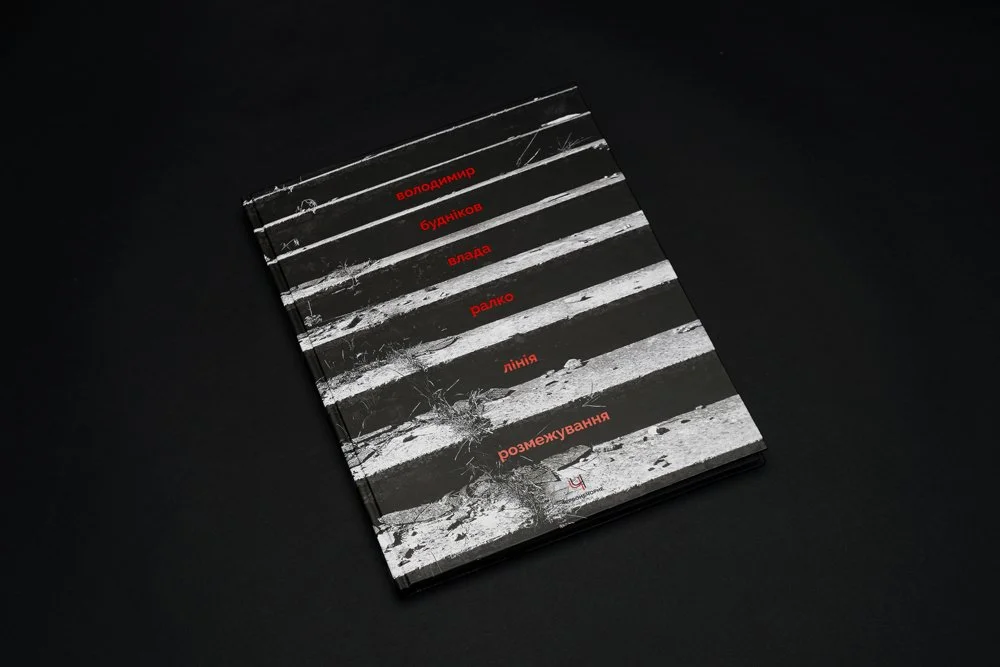
The book “Line of Delimitation” is the territory of “reconciliation” of the two positions of Vlada Ralko and Vladimir Budnikov. This book is, to some extent, scientific...
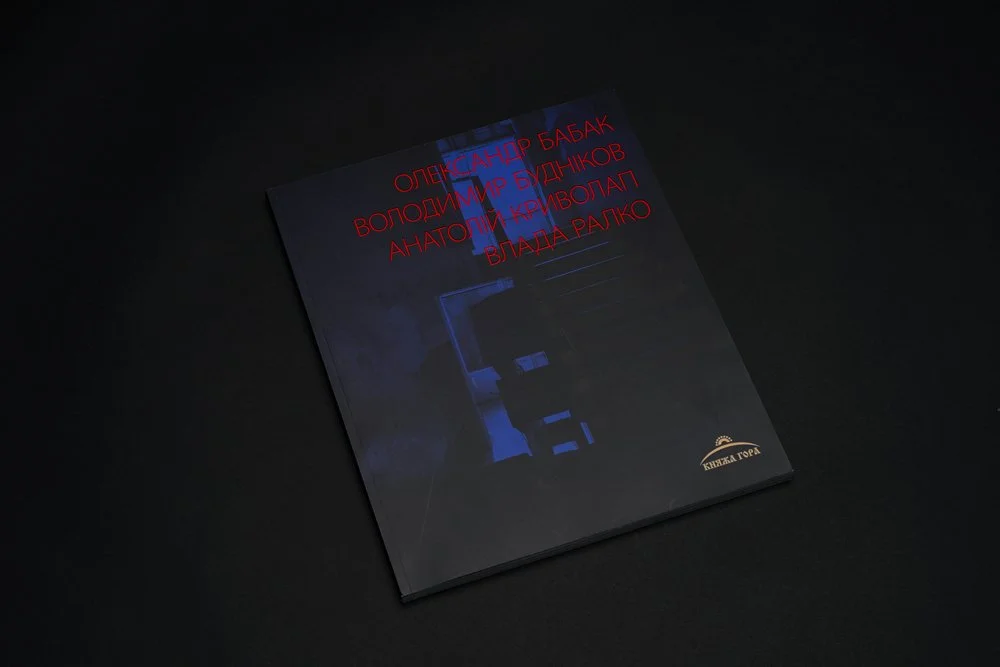
There are places where the past never disappears forever, where time refines and penetrates into space, where the landscape created by nature and generations...
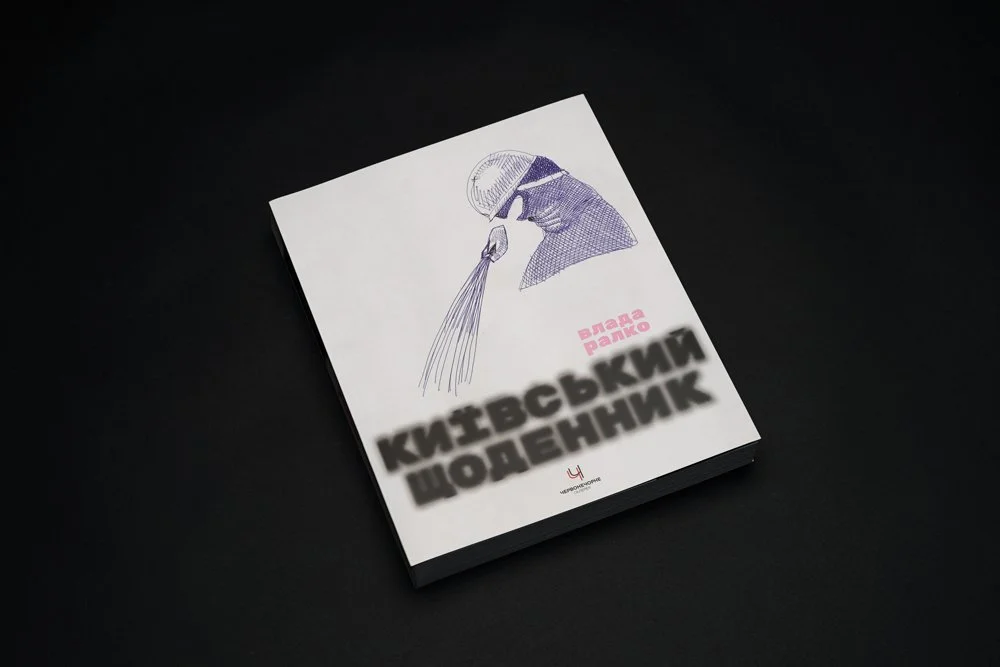
The idea to start a series of drawings, which structurally resembles diary entries, arose after Vlada Ralko saw a giant eye, namely a man in a suit, among the evening crowd in a restless Kiev...
.webp)
Against the background of the dramatic and tragic events in Ukraine, there arises how important, even so painful, the question — where is the artistic statement contained — supposedly for him
.svg)



.webp)